Introduction
Fruit juice (FJ) is considered as nutrient-dense beverage, containing micronutrients, minerals, and antioxidants (Buvé, Pham, Hendrickx, Grauwet, and Van Loey, 2021). It shares the composition of fruits and is made from whole fruit (edible parts), with natural sugars, making it low-in-energy (Walton and Kehoe, 2025). It's convenient to consume and has a longer shelf life without chemical preservatives. The global juice market, was valued at USD 145.2 billion in 2022. The market is projecting to grow due to health-conscious consumers seeking natural, preservative-free beverages (Konar, Gunes, Palabiyik, and Toker, 2022). The market is expected to expand at a CAGR of 5.60% by 2030. The variety of juice products has increased efficiency in quality control and maintenance, facilitated by minimal processing (Mieszczakowska-Frąc, Celejewska, and Płocharski, 2021).
Mango (Mangifera indica L.) belonging to the family Anacardiaceae is one of the most important fruits consumed in fresh or processed form globally (Singh, Singh, Sane, and Nath, 2013). It is extensively cultivated in tropical and subtropical climates worldwide because of its high nutritional value, flavor, and aroma (Dhanyasree, Rafeekher, and Premachandran, 2025). This fruit is a good source of minerals, dietary fiber, vitamins, and antioxidants like polyphenols, which have been connected to several health advantages (Wuet al., 2018). Like many fruits, mango juice turns brown when exposed to air, which changes the color and taste, thus spoiling the product and making it undesirable to drink.
Browning in food products like FJ occurs during processing and storage, resulting in color changes due to two key chemical reactions: non-enzymatic browning (NEB) and enzymatic browning (EB). Nonenzymatic chemical reactions like caramelization, ascorbic acid degradation, and the Maillard reaction are common quality issues in concentrated FJ, leading to nutrient loss and undesirable compounds (Abdul Kareem and Ali Al-Jammaas, 2024). On the other hand, EB is mainly caused by polyphenol oxidase (EC 1.14.18.1, PPO) (Al-abbasy, Alsarraf, Mahdi, and Al-barwari, 2025). This enzyme oxidizes phenolic compounds to quinones that spontaneously polymerize with other compounds (phenolics, sugars, soluble amino proteins), to generate brown pigments (Bobo-García, Arroqui, Merino, and Vírseda, 2020). Several studies have focused on preventing or inhibiting PPO activity in food products. Numerous methods and mechanisms have been suggested over the years for controlling this enzyme activity. Analysis revealed that most chemical or synthetic inhibitors were hazardous compounds that might react with cellular constituents to produce toxicity. Hence, the most important and safest method is using natural sources in products that are minimally processed (AL-BURGUS, Ali, and AL-ABBASY, 2024; Weerawardana, Thiripuranathar, and Paranagama, 2020). For example, studies have demonstrated that, aloe vera (Alberio, Muratore, Licciardello, Giardina, and Spagna, 2015), whey protein (Yi and Ding, 2014), and rice bran extracts (Sukhonthara, Kaewka, and Theerakulkait, 2016) inhibit browning and maintain quality.
Eggplant (Solanum melongena L.) is a widespread vegetable crop in temperate and tropical regions (Mat Sulaimanet al., 2020). Eggplant fruit is included in the basic diets of many local communities (Davidaret al., 2015). It contains many active compounds compared to other crops of the same family. The largest part of these active compounds is particularly abundant in the peel (approximately 30-60%), and is represented by polyphenols, flavonoids, and phenolic acids (Niño-Medina, Urías-Orona, Muy-Rangel, and Heredia, 2017). Anthocyanins and chlorogenic acid are the main and most important compounds in the peel (Yarmohammadi, Rahbardar, and Hosseinzadeh, 2021). These compounds have a high antioxidant capacity .The main objective of this research was to develop PPO inhibition in mango juice using eggplant peel extracts as natural inhibitors. Thus, the project aimed to reduce browning and increase the shelf life of mango juice.
Materials and Methods
Chemicals such as Folin-Ciocalteu reagent, bovine serum albumin, Triton X-100, ammonium sulfate, and ninhydrin were purchased from Merck Co. Additionally, catechol, polyethylene glycol, polyvinylpyrrolidone, gallic acid, guaiacol, petroleum ether, ethanol, and carboxymethyl (CM) cellulose were obtained from Sigma-Aldrich Co.
Preparation of Soxhlet Extraction
Eggplant fruit was purchased freshly from a local market in Mosul City, Iraq, in October 2024 (peak season). The plant was washed with a tap water and then manually peeled and the peel was chopped into small pieces. The pieces were dried at 40ºC for 72 h until a constant weight was acheived , using a digital forced -air convention oven (5-200 °C, Model UN55, Memmert GmbH Co. KG, Schabach, Germany). The dried pieces were ground to obtain fine homogeneous powder in a high-speed analytical laboratory grinder fitted with 180W motor drive (Model A11 Basic, IKA-WERKE GmbH and Co. KG, Staufen, Germany). For extraction, 25g powder was subjected to Soxhlet extraction with 250 ml petroleum ether for 8 hours at 60-80°C for defatting. The extract was evaporated using a vacuum rotavapor. The defatted peel was macerated in ethanol (70%) for 24 h., extracted by Soxhlet for 6 h., evaporated at 50°C, and kept at -20ºC (Al-Abbasy, Ali, and Younis, 2020). This extract is defined as ethanolic eggplant peel extract (EEPE).
Preparation of Aqueous Eggplant Peel Extract
Twenty-five grams of eggplant peel powder were mixed with 250 mL of distilled water and the mixture was incubated on a rotating shaker at 1,500 rpm at 35ºC for 2 days. The extract was then filtered through a cheesecloth and centrifuged at 10,000×g for 15 min. The supernatant was evaporated on a vacuum rotavapor at 70°C (Taqi, Al-Shahery, and Al-Abbasy, 2025). This extract is defined as aqueous eggplant peel extract (AEPE) and kept at -20ºC.
Preparation of Mango Juice
Mango was acquired freshly from a local market in Mosul City, Iraq, in May 2025 to ensure maximum enzymatic activity. After washing and peeling, the mango pulp was homogenized with DW at a ratio of 1:10 (W/V), using blender powered with a 370-W motor driver (Model 8011G, Waring Commercial, Torrington, CT, USA). The crushed mango was filtered through many layers of muslin cloth. The produced juice was centrifuged at 3,000×g for 10 min. This was defined as mango juice (MJ). The MJ was divided into two groups treated with 5% of each EEPE and AEPE separately. For comparison, the control was MJ without any extract (Hasan Ali AL-Jammaas, 2023).
Antioxidant Activity Measurement by DPPH Radical Scavenging
According to Matthäus (Matthäus, 2002), two milliliters of EEPE were mixed with three milliliters of DPPH solution (0.5 mg/mL), and twenty-five milliliters of methanol. After thorough shaking, the mixture was kept in the dark for forty-five minutes. The decrease in absorbance was measured at 515 nm. Vitamin C (1%) was used as an antioxidant control. The following formula is used to calculate the percentage:
Inhibitory % = [(Ac−As) ÷Ac] × 100
When: Ac: Control reaction absorbance, As: Testing specimen absorbance.
Intermediate Compounds and Browning Intensity Monitoring
By using spectrophotometry, a colorless intermediate at A294 nm was recorded. The brown intensity of a hue was measured at A420 nm (Tsai, Yu, Chen, Liu, and Sun, 2009).
PPO Assay
Spectrophotometrically, PPO activity was monitored. One milliliter of 0.01M catechol (substrate), 0.9 ml buffer (pH 7.2), and finally 0.1 ml of enzyme were mixed. The absorbance was measured at 420 nm with a ten-second interval for five minutes (Oktay, Küfreviolu, Kocaçalişkan, and Şaklrolu, 1995).
Peroxidase Assay
To assess POD activity, a 100 μL aliquot of the extracted enzyme was added to the reaction mixture along with 1.5 mL of 0.1 M phosphate buffer (pH 7.0), 0.5 mL of guaiacol (1.68%), and 0.5 mL of H2O2 (1.8%). The total volume was then adjusted to 3 mL with distilled water. All components of the reaction mixture, except the enzymatic extract, were replaced with water to create blanks. The absorbance was measured at 470 nm at 30 °C (Lagrimini, Gingas, Finger, Rothstein, and Liu, 1997).
Content of Total Phenols
To a 25 ml volumetric flask, one ml of the sample, one ml of Na2CO3 (20%), and 0.75 ml of Folin-Ciocalteu reagent were added. Distilled water was then added to make the total amount of 25 ml. Using spectrophotometer (PU 8800 UV/VIS, Shimadzu, Double Beam), the absorbance at 765 nm was measured following a 30-minute incubation period in a 55 °C water bath. A standard curve for gallic acid (GA) was utilized to quantify the total phenolic content. The result was reported as GA equivalents per gram of fresh weight (mg/g) (Girgžde, Samsone, and Gailis, 2019).
Determination of Protein Concentration
The protein concentration was assessed using bovine serum albumin as a stock solution. The absorbance was monitored at 650 nm (Scharcterle and Pollack, 1973).
Enzyme Extraction
To purify PPO, a procedure described by (Rashan and Al-Abbasy, 2021) with some modifications was used. After washing and peeling, 50 grams of fresh mango fruit were homogenized with 150 ml of cold phosphate buffer (0.1 M, pH 7.2), including (10 mM ascorbic acid, 3% polyvinylpolypyrrolidone (PVPP), 2% PEG, and 1% Triton X-100), using a blender for 2 minutes. The homogenate was frozen using liquid nitrogen to ensure disruption of the cell wall. After that, the extract was filtered through cheesecloth in an ice bath and then centrifuged at 10,000 × g for 15 minutes at 4 °C. The supernatant was collected and considered as crude enzyme, then kept at 4ºC for further analysis.
Precipitation and Dialysis
The crude enzyme solution was precipitated by adding (NH4)2SO4 to give a saturation of 30-80% and left overnight. The centrifugation for 30 min at 3000 ×g was achieved. The precipitated fractions were resolubilized in a minimum volume of phosphate buffer (0.1M, pH 7.2) . The dialysis procedure via a 14 kDa cut-off membrane for 24 h. was done against the same buffer at 4˚C with six buffer changes. The centrifugation for 5 minutes to obtain a clear supernatant (Mahdi, Younus, Al-Burgus, and Al-Abbasy, 2025).
Ion Exchange Chromatography
On a column containing CM-cellulose resin, the dialyzed solution was loaded. A protein was eluted using phosphate buffer at a flow rate of 0.8 ml/min (three milliliters/fraction) and monitored at 280 nm. Following detection, pooling, and lyophilization, the fractions with PPO activity were employed in the subsequent studies (Alrushdiet al., 2025).
Gel Electrophoresis
SDS-PAGE was carried out in a mini gel equipment (Bio-Rad Mini-PROTEIN Tetra Cell, Bio-Rad) as mentioned by Laemmli (Laemmli, 1970). Protein solutions were denatured by heating for 5 minutes at 99 °C (Eppendorf Thermomixer Comfort). The samples were then put in 5% stacking and 9% resolving polyacrylamide gels before being run at 120 V. The gel was stained using Coomassie Brilliant Blue G-250 (Al-Taie, Alaboo, Al-Abbasy, and Taqi, 2026). The protein markers were used to calculate the molecular weight of the purified PPO.
Inhibition Mode of PPO
The inhibition of purified mango PPO was examined in the presence of EEPE and AEPE as inhibitors. The activity was monitored at 420 nm using (0.25-3 mM) of substrate after incubation of 0.2 ml of enzyme with 0.1 ml of inhibitor for 30 minutes (Alabbas, Salih, and Al-Abbasy, 2022).
Statistical Analysis
All acquired data were represented by mean ± S.D. The data were processed using the SPSS Statistics programme for one-way ANOVA analysis followed by Duncan’s Multiple Range test. The comparisons between various groups were carried out, and a p-value of <0.05 indicated the statistically significant differences.
Results and Discussion
Table 1 shows the scavenging impact of eggplant peel extracts on DPPH radicals. Both extracts were found to have antioxidant properties. EEPE showed higher scavenging properties (0.66 mg.gm-1) than AEPE (0.52 mg. gm-1) compared to vitamin C (0.73 mg. gm-1).
| Solution | mg/g-1 |
|---|---|
| Vitamin C | 0.73± 0.015 |
| EEPE | 0.66± 0.021 |
| AEPE | 0.52± 0.035 |
The DPPH free radical scavenging activity of the ethanolic extract of eggplant pulp powder was evaluated using the common antioxidant ascorbic acid as a standard. The antioxidant activity was observed to be concentration-dependent and to be significantly greater than that of ascorbic acid (Nasraldeen Majeed, 2024; Salih and Sadoon, 2026). The antioxidant activity of ethanolic and water extracts from different parts of eggplant was evaluated. The extracts of peel and calyx parts exhibited a higher DPPH radical scavenging activity in both extracts (Jung, Bae, Jo, Jo, and Lee, 2011). The biological process underlying the antioxidant property is linked to the scavenging of free radicals, specifically hydroxyl radicals, and metal chelation (Akanitapichat, Phraibung, Nuchklang, and Prompitakkul, 2010). Eggplant peel is frequently discarded as biological waste, resulting in significant losses of organic matter that typically contains high levels of bioactive compounds (Agnelloet al., 2020).
Several studies have revealed that plant extracts are accomplished of inhibiting PPO activity in foods. The ability of extracts to inhibit PPO varies depending on the phytochemicals they contain and the antioxidant potential of the compounds. Further, Fig. 1 shows an evaluation of the inhibitory effects of EEPE and AEPE extracts compared to vitamin C on PPO.
Compared to the untreated juice sample, EEPE showed an inhibitory effect of 45.87%, which is better than AEPE, which inhibited the enzyme by 16.84%. However, both extracts were less effective than vitamin C, considered a potent antioxidant, with a 56.79% inhibitory effect. The ability of these extracts to inhibit oxidation processes may rely on several mechanisms, involving reduction activity, radical scavenging, and chelating of metal ions (Billaudet al., 2005).
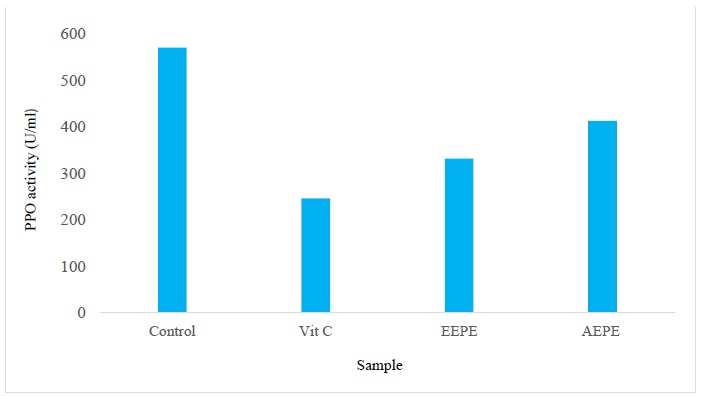
Fig. 1. Comparison the effects of eggplant peel extracts and vitamin C on purified PPO from Mango pulp
Effect of Extracts on Browning Intensity and Intermediate Compounds in MJ during Storage
According to Ali et al. (Ali, Al-Burgus, Al-Abbasy, and Haddad, 2026) absorbance at 294nm and 420nm indicates the existence of colorless intermediate particles and browning compounds. The browning intensity and intermediate compound values of MJ after treatment with 5% of EEPE and AEPE and storing for 15 days at 4°C are shown in Fig. 2 and Fig. 3. The values of MJ-treated AEPE were higher than those of EEPE-treated at all storage times. These results suggest that EEPE could diminish the increase in absorbance at 420 and 294 nm in MJ during storage more than AEPE. The EEPE might contain phenolic compounds capable of inhibiting the PPO isozyme in MJ, with each phenolic compound potentially having different specific inhibitory activities on various PPO isozymes. These compounds have structures similar to the substrate and might inhibit browning (Ajila, Rao, and Rao, 2010). Regardless of the type of natural anti-browning chemical utilized, the findings correspond with those documented by others (Jirasuteeruk and Theerakulkait, 2020; Shomodder, Hossain, Das, Ranganathan, and Mazumder, 2021).
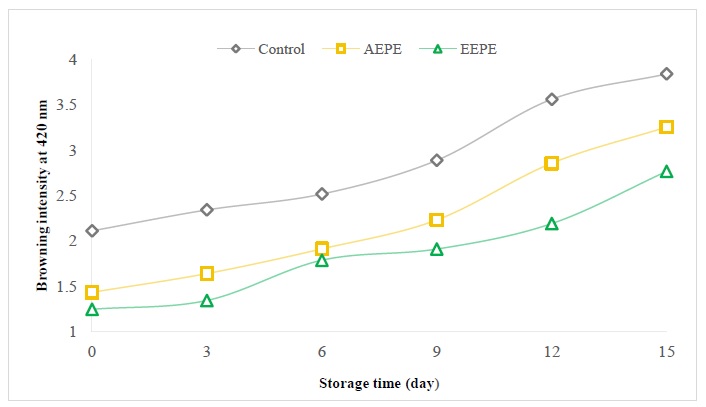
Fig. 2. Extracts effect on browning intensity in MJ during storage
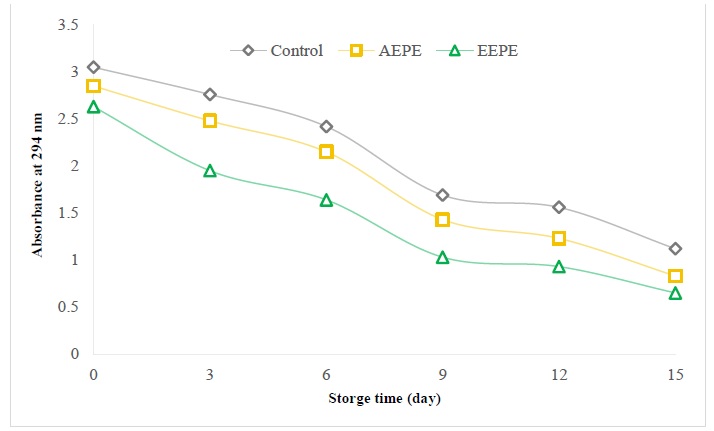
Fig. 3. Extracts effect on intermediate compounds in MJ during storage
Effect of EEPE and AEPE Addition on the PPO Activity during Storage
The impact of EEPE and AEPE on mango juice PPO enzymatic activity during storage for 15 days at 4°C is presented in Fig. 4. The results showed that both extracts could inhibit PPO compared to the control group for all storage times. However, the percentage of enzyme inhibition in the presence of EEPE was stronger than that of AEPE in the treated juice samples.
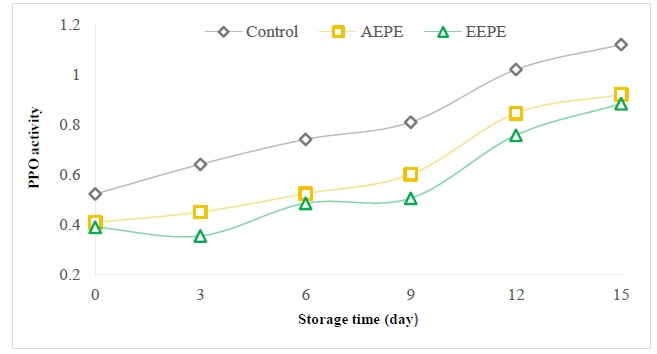
Fig. 4. Inhibitory effect of extracts on PPO in MJ during storage
Several studies have attempted to inhibit PPO activity by utilizing extracts from sources rich in antioxidant compounds. For example, it has been found that aqueous extracts of mango peels of several cultivars inhibited the activity of PPO in potato puree to varying degrees (AL-abbasy, M Mahdi, Younus, Sheej Ahmad, and Al-Azzawi, 2025; Jirasuteeruk and Theerakulkait, 2020). Previous results indicated that the oil extract of cinnamon bark showed 40% inhibition of PPO activity in mushrooms (Marongiuet al., 2007). It was also observed that the aqueous extract of ginger has an anti-tanning effect by reducing the enzymatic activity of PPO of Annona muricata and Musa acuminata (Weerawardanaet al., 2020). Different concentrations of garlic and onion extracts presented a higher inhibitory effect on the yam PPO activity (Yapi, Gnangui, Dabonné, and Kouamé, 2015). Such inhibition may be due to the high total phenolic content in these extracts.
Effect of EEPE and AEPE Addition on POD Activity during Storage
The effect of eggplant peel extracts on POD activity was evident Fig. 5. A gradual increase in POD activity was observed during storage at 4°C for untreated juice, reaching its maximum on the 15th day. When juice samples were treated with EEPE and AEPE extracts (5%), POD activity decreased significantly compared to untreated juice samples. The results demonstrated that EEPE was more effective than AEPE in inhibiting POD.
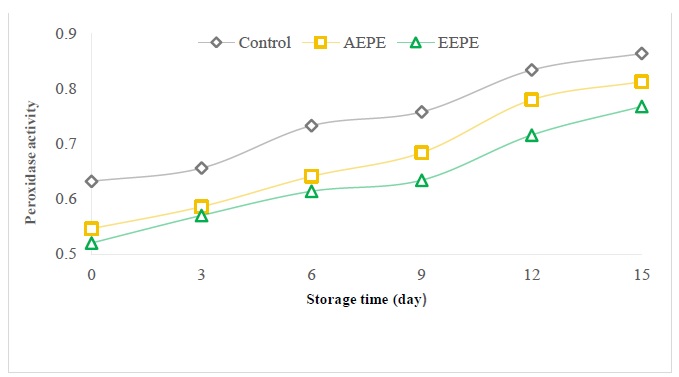
Fig. 5. Inhibitory effect of extracts on POD in MJ during storage
POD is an enzyme that catalyzes the oxidation of phenols by peroxide, which is the major cause of enzymatic browning in fruits and vegetables (Oms-Oliuet al., 2010). During litchi fruit storage, POD activity in the pericarp steadily rose in tandem with the skin browning index (Zhang, Pang, Xuewu, Ji, and Jiang, 2005). POD activity increased steadily at 4°C throughout the storage period, with the highest activity level recorded in untreated mandarin fruit. In contrast, enzyme activity at 8°C rose during the first two weeks, followed by a sharp decline for the remainder of the storage period.
(Tao, Wang, Luo, and Yan, 2018). Each vegetable substrate under study had a unique reaction of POD activity to the antioxidant treatment, which was contingent upon storage conditions. Freshly cut veggies are reported to be best preserved when stored in a refrigerator (Xuet al., 2012). The use of antioxidant solutions, such as tea tree essential oil and propolis extract, at 5°C under optimal storage conditions for 14 days inhibited POD activity in butternut squash throughout the storage period. Furthermore, the use of propolis delayed browning and preserved the product's visual quality for a longer period compared to untreated sample (Alvarez, Moreira, and Ponce, 2015).
Effect of Extracts on Phenolic Content in MJ during Storage
Fig. 6 depicts the total phenolic content (mg/100 ml) in MJ treated with EEPE and AEPE throughout storage. The amount of phenolic content significantly declined during storage at 4°C, reaching its minimum on the 15th day. Treatment of MJ with 5% of EEPE and AEPE showed a significant increase compared to the untreated juice at 0 and 15th day of storage. It is clear from the diagram that the alcoholic extract had a better effect in maintaining the level of phenolic compound content than the aqueous extract. This may be due to high levels of active phenolic compounds in these extracts, which can reduce PPO activity and thus prevent the oxidation of the phenolic compounds initially present in MJ and preserve them during the storage period.
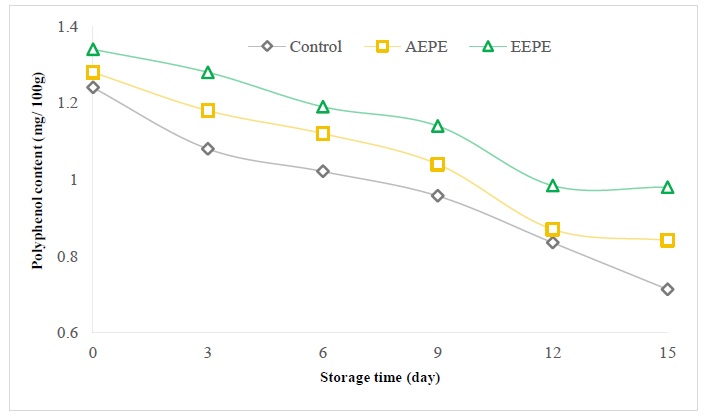
Fig. 6. Extracts effect on polyphenol content in MJ during storage
Similarly, Altunkayaet al. (2013), reported a significant increase in the phenolic content of apple juice treated with pomegranate peel extracts (Altunkayaet al., 2013). An apparent increase in the concentration of phenolics was also observed, directly proportional to the concentration of the added natural extracts, as in apple juice (Phaiphan, Panichakool, Jinawan, and Penjumras, 2019) and quince juice (Rashan and Al-Abbasy, 2021) during storage.
Enzyme Purification
Precipitation of the enzyme-containing protein with 30-80% ammonium sulfate increased the specific activity of PPO to 2449.11 units /mg protein, with a purification fold of 5.61 compared to the crude. After dialysis to remove salts, peptides, and low-molecular-weight compounds, the results indicated that PPO was more purified by 7.00-fold. The protein concentration decreased after this step, and the specific activity value increased to 3055.9 units /mg protein (Table 2). To obtain almost completely pure enzyme, the CM-cellulose ion exchange column chromatography was used, and the elution profile showed a single band (Fig. 7) with a specific activity of 6573.42 compared to the crude enzyme, and the purification fold was raised to 15.07.
| Purification steps | Volume (ml) | Total protein (mg) | Total activity U* | Sp. Ac. (U/mg protein) | Yield % | Purification Fold |
|---|---|---|---|---|---|---|
| Crude extract | 66.5 | 55.86 | 24361.61 | 436.12 | 100 | 1.0 |
| Ammonium sulfate | 12 | 6.48 | 15870.24 | 2449.11 | 65.14 | 5.61 |
| Dialysis | 13.2 | 4.818 | 14723.28 | 3055.9 | 60.43 | 7.00 |
| CM-Cellulose | 24.2 | 1.76 | 18301.39 | 10398.51 | 75.12 | 23.84 |
| * The unit is defined as the amount of enzyme that oxidizes 1 micromole of catechol per minute at 25 oC. | ||||||
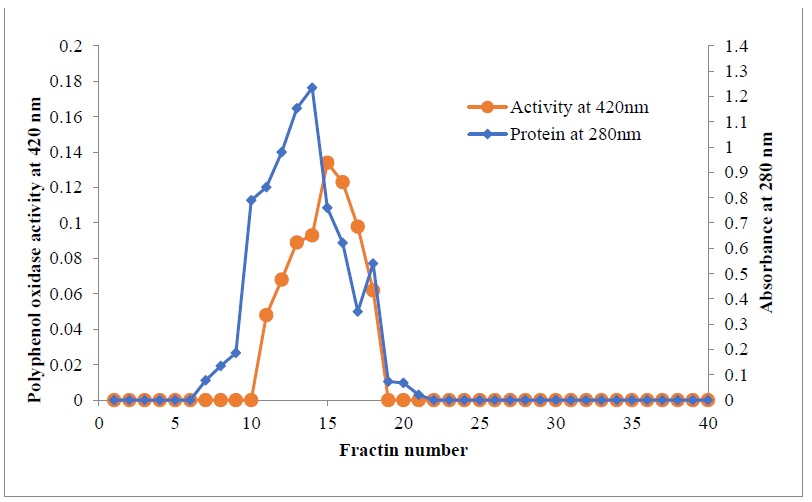
Fig. 7. Elution profile of mango pulp PPO by ion exchange chromatography
Numerous studies have used ion exchange chromatography to purify PPO from various plant tissues. This technique relies on the positive or negative charges present on the exchanger used for separation. The PPO was purified from Prunus domestica L. 36-fold using DEAE-cellulose chromatography (Siddiq, Sinha, Cash, and Hanum, 1996). One peak of PPO was obtained from the Mirabelle plum with a purification fold of 26.31 after passing the enzyme extract on a column containing the cationic exchanger, CM-cellulose (Younus, Mahdi, Al-Abbasy, and Sheej Ahmad, 2025). DEAE Sephadex A-50 and DEAE-Sepharose columns were used to purify PPO from the seeds of Melon (Adeseko and Fatoki, 2021) and the leaves of Cleome gynandra L. (Gao, Liu, and Xiao, 2011), respectively.
Molecular Weight Determination Using SDS-PAGE
This technique has been used to document the molecular weights of PPO, with masses ranging from 25 kDa for pineapple (Das, Bhat, and Gowda, 1997) to 120 kDa for beans (Paul and Gowda, 2000). In our analysis, the purified PPO obtained after ion exchange chromatography performed as a single protein band on a gel with a molecular weight of 54 kDa (Fig. 8). This result is very close to the PPO enzyme purified from African bush mango peel, which was observed to have a molecular weight of 53 kDa (Adesekoet al., 2021). It is slightly less than that purified from Mexican Golden Delicious apples (58 kDa) (Macheix, Fleuriet, and Billot, 1990), Turkish Alyanak apricots (57 kDa) (Ünal and Şener, 2016), and potato (50 kDa) (Aksoy, 2020). On the other hand, the molecular weight of several mango parts was reported and found to be significantly lower than what we obtained (Adeseko, Sanni, and Lawal, 2022; Palma-Orozco, Marrufo-Hernández, Sampedro, and Nájera, 2014).
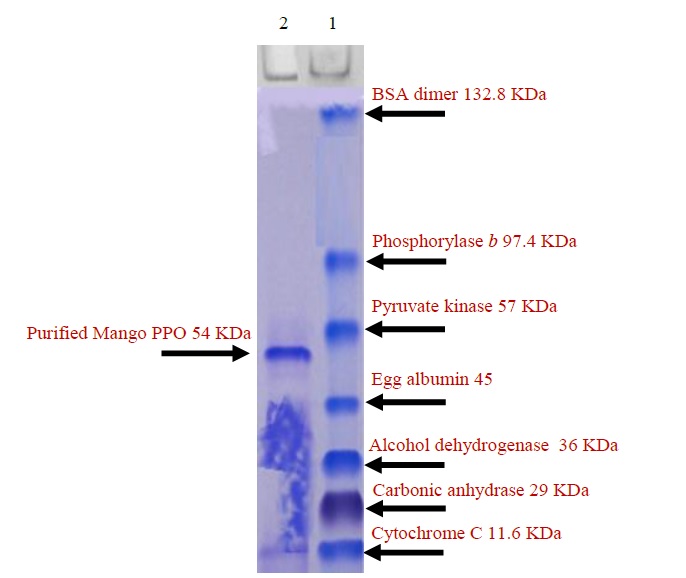
Fig. 8. Photograph of SDS-PAGE electrophoresis. Lane 1: Marker protein bands. Lane 2: Band of purified PPO from the mango of molecular weight approximately 54 kDa
Inhibition Type of PPO
The inhibition type of the purified mango PPO activity was examined in the presence of EEPE and AEPE extracts. It was verified by drawing a Lineweaver-Burk plot using various concentrations of a substrate. The results demonstrated a competitive inhibition type with EEPE (Fig. 9). The value of Vmax was approximately 0.208 units /ml/ min. The Km value increased from 1.020 to 2.127 mM. When using the AEPE as an inhibitor, Fig. 10 shows that the inhibition type was non-competitive. The Vmax value decreased from 0.208 to 0.116 units/ml/min. The Km value was stable at 1.020 mM.
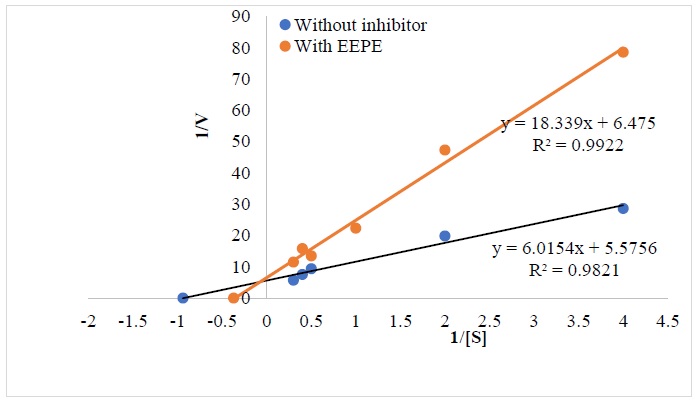
Fig. 9. Inhibition mode of PPO by ethanolic eggplant peel extract
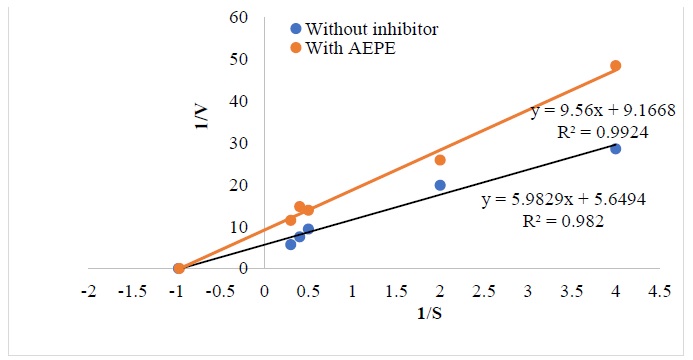
Fig. 10. Inhibition mode of PPO by aqoeous eggplant peel extract
Competitive inhibition may be attributed to the presence of high levels of phenolic compounds in these extracts, as they are structurally similar to the substrate and are able to bind to the active site of the enzyme to hinder the process of enzyme reaction (Sadoon and Al-Abbasy, 2026; Zheng, Shi, and Pan, 2012). Noncompetitive inhibition, on the other hand, may be due to chelation of the metal copper ions present in the enzyme (Al-Barwari and Abbas, 2026; Sunet al., 2012). Many studies have indicated the inhibition of polyphenol oxidase purified from plant sources using extracts such as Rhuscoriaria L. (Salim, Al, and Sadoon, 2026), Rosa roxburghii (Yuet al., 2021), chili pepper (Lim and Wong, 2018), onion (Yapiet al., 2015), oregano, and lovage extracts (Sierocka and Świeca, 2024).
Conclusion
The findings of this study indicated that eggplant peel extracts, particularly the ethanolic extract (EEPE), exhibit strong antioxidant and anti-browning activities. EEPE showed higher DPPH free-radical-scavenging activity and more effective inhibition of PPO and POD enzymes than the aqueous extract (AEPE). This reduced browning intensity and improved the preservation of phenolic compounds in mango juice during storage. Kinetic analysis confirmed that EEPE is a competitive inhibitor of PPO, whereas AEPE is a non-competitive inhibitor. The successful purification and characterization of mango PPO further confirmed its enzymatic nature. Overall, utilizing eggplant peel, a relatively underutilized agro-industrial by-product, presents an environmentally friendly and efficient approach to preventing EB and oxidative spoilage in fruit juices. These findings justify further research into incorporating such extracts into food preservation programs, aligning with global efforts toward waste valorization and cleaner-label foods.
Funding Sources
This research had no external funding.
Authors Contirbution
M.G.A: Methodology, Resources, Software, Validation, Software, Visualization. O.H.A: Conceptualization, Data curation, Formal analysis, Investigation, Writing– original draft. R.T.A: Methodology, Project administration, Supervision, Resources, Software, Validation, , Writing–review and editing. O.Y.A: Conceptualization, Data curation, Writing– original draft, Investigation.
Acknowledgments
The authors are grateful to the University of Mosul, which has providing vast facilities and sustenance to complete this research.
Abbreviation
Fruit juice (FJ); Eggplant Peel Ethanolic Extract (EEPE); Eggplant Peel Aqueous extract (AEPE); Mango Juice (MJ); Enzymatic browning (EB); Polyphenol oxidase (PPO); Peroxidase (POD).
References
- Abdul Kareem, Z.M., & Ali Al-Jammaas, O.H. (2024). Influence of treatment of fresh cut apples by microwave radiation some properties of their juices during storage. Paper presented at the IOP Conference Series: Earth and Environmental Science.DOI
- Adeseko, C.J., & Fatoki, T.H. (2021). Isolation and partial purification of polyphenol oxidase from seed of melon (Cucumeropsis edulis). Biointerface Research Apply Chemistry, 11, 9085-9096.DOI
- Adeseko, C.J., Sanni, D.M., & Lawal, O.T. (2022). Biochemical studies of enzyme-induced browning of African bush mango (Irvingia gabonensis) fruit pulp. Preparative Biochemistry & Biotechnology, 52(7), 835-844.DOI
- Adeseko, C.J., Sanni, D.M., Salawu, S.O., Kade, I.J., Bamidele, S.O., & Lawal, O.T. (2021). Purification and biochemical characterization of polyphenol oxidase of African bush mango (Irvingia gabonensis) fruit peel. Biocatalysis and Agricultural Biotechnology, 36, 102119.DOI
- Agnello, M., Rizzo, V., Graziani, G., Fogliano, V., Leonardi, C., & Giuffrida, F. (2020). Recovery of eggplant field waste as a source of phytochemicals. Scientia Horticulturae, 261. https://hdl.handle.net/11575/129965
- Ajila, C., Rao, L.J., & Rao, U.P. (2010). Characterization of bioactive compounds from raw and ripe Mangifera indica L. peel extracts. Food and Chemical Toxicology, 48(12), 3406-3411.DOI
- Akanitapichat, P., Phraibung, K., Nuchklang, K., & Prompitakkul, S. (2010). Antioxidant and hepatoprotective activities of five eggplant varieties. Food and Chemical Toxicology, 48(10), 3017-3021.DOI
- Aksoy, M. (2020). A new insight into purification of polyphenol oxidase and inhibition effect of curcumin and quercetin on potato polyphenol oxidase. Protein Expression and Purification, 171, 105612.DOI
- Al-Abbasy, O.Y., Ali, W.I., & Younis, S.A. (2020). Study on inhibitory effect of Rosmarinus officinalis L. extracts and Quercitine on partially purified cow's brain polyamine oxidase. Biochemical & Cellular Archives, 20(2), 5617. https://connectjournals.com/03896.2020.20.5617
- Al-abbasy, O.Y., Alsarraf, Z.H., Mahdi, N.M., & Al-barwari, A.S. (2025). Ascorbic acid: Rationale and applications in inhibiting enzymatic browning of fruits and vegetables–A comprehensive review. Iranian Food Science and Technology Research Journal.DOI
- AL-abbasy, O.Y., M Mahdi, N., Younus, S.A., Sheej Ahmad, O.A., & Al-Azzawi, A.G.S. (2025). Potato enzymatic browning, mitigation and prevention: Current overview of approaches and findings. Journal of Food Science and Technology (Iran), 22(164), 1-15.DOI
- Al-Barwari, A., & Abbas, Z. (2026). Novel mixed-ligand Co(II), Ni(II), and Cu(II) complexes of Azo-Schiff bases with 1,10-phenanthroline and metformin: Synthesis, characterization, molecular docking, and antibacterial evaluation. Journal of the Turkish Chemical Society Section A: Chemistry, 2026(2), 1-17.DOI
- AL-BURGUS, A.F., Ali, O.T., & AL-ABBASY, O.Y. (2024). Design, synthesis and molecular docking of new spiro heterocyclic coumarin as antibacterial agents. Revue Roumaine Chimie, 69(7-8), 399-404.DOI
- Al-Taie, M.F., Alaboo, H.A., Al-Abbasy, O.Y., & Taqi, H.M. (2026). Isolation of the microalga Westiellopsis sp. from aquatic ecosystems: 16S rRNA identification and antibacterial evaluation of its purified protein. Egyptian Journal of Aquatic Biology and Fisheries, 30(3), 501-516.DOI
- Alabbas, K., Salih, O., & Al-Abbasy, O. (2022). Isolation, purification, and characterization of pecan nut lipase and studying its affinity towards pomegranate extracts and 1, 4-diacetoxybenzene. Iraqi Journal of Science, 908-922.DOI
- Alberio, G.R.A., Muratore, G., Licciardello, F., Giardina, G., & Spagna, G. (2015). Aloe vera extract as a promising treatment for the quality maintenance of minimally-processed table grapes. Food Science and Technology (Campinas), 35(2), 299-306.DOI
- Ali, O.T., Al-Burgus, A.F., Al-Abbasy, O.Y., & Haddad, M.F.H. (2026). A comparative investigation of synthesized coumarin-chalcone with vitamin C for the inhibition of enzymatic browning in potato. Journal of Food Science and Technology (Iran), 23(174), 135-145.DOI
- Alrushdi, F.M.M., Mohammed Al-Abaasy, O.Y., Al-Saffar, R.N., Abbood, H.Y., Al-Hamairy, A.K., Saleh, M.Y., & A Kenawy, M. (2025). In vitro: inhibition of partially purified pancreatic ovine lipase by willow bark extracts. Journal of Bioscience and Applied Research, 11(1), 168-179.DOI
- Altunkaya, A., Hedegaard, R.V., Harholt, J., Brimer, L., Gökmen, V., & Skibsted, L.H. (2013). Palatability and chemical safety of apple juice fortified with pomegranate peel extract. Food & Function, 4(10), 1468-1473.DOI
- Alvarez, M.V., Moreira, M.D.R., & Ponce, A. (2015). Peroxidase activity and sensory quality of ready to cook mixed vegetables for soup: combined effect of biopreservatives and refrigerated storage. Food Science and Technology (Campinas), 35(1), 86-94.DOI
- Billaud, C., Maraschin, C., Chow, Y.-N., Chériot, S., Peyrat-Maillard, M.-N., & Nicolas, J. (2005). Maillard reaction products as “natural antibrowning” agents in fruit and vegetable technology. Molecular Nutrition & Food Research, 49(7), 656-662.DOI
- Bobo-García, G., Arroqui, C., Merino, G., & Vírseda, P. (2020). Antibrowning compounds for minimally processed potatoes: A review. Food Reviews International, 36(5), 529-546.DOI
- Buvé, C., Pham, H.T.T., Hendrickx, M., Grauwet, T., & Van Loey, A. (2021). Reaction pathways and factors influencing nonenzymatic browning in shelf‐stable fruit juices during storage. Comprehensive Reviews in Food Science and Food Safety, 20(6), 5698-5721.DOI
- Das, J.R., Bhat, S.G., & Gowda, L.R. (1997). Purification and characterization of a polyphenol oxidase from the Kew cultivar of Indian pineapple fruit. Journal of Agricultural and Food Chemistry, 45(6), 2031-2035.DOI
- Davidar, P., Snow, A.A., Rajkumar, M., Pasquet, R., Daunay, M.C., & Mutegi, E. (2015). The potential for crop to wild hybridization in eggplant (Solanum melongena; Solanaceae) in southern India. American Journal of Botany, 102(1), 129-139.DOI
- Dhanyasree, K., Rafeekher, M., & Premachandran, A. (2025). Abiotic stress management in fruit crops: A review. Agricultural Reviews, 46(3), 451-456.DOI
- Gao, Z.-J., Liu, J.-B., & Xiao, X.-G. (2011). Purification and characterisation of polyphenol oxidase from leaves of Cleome gynandra L. Food Chemistry, 129(3), 1012-1018.DOI
- Girgžde, E., Samsone, I., & Gailis, A. (2019). Peroxidase, polyphenol oxidase activity and total phenolic concentration in birch (Betula pendula) in vitro shoots during rejuvenation. Environmental & Experimental Biology, 17(1), 15.DOI
- Hasan Ali AL-Jammaas, O. (2023). Effect of apple peel extracts on storage quality of quince juice. Agronomía Colombiana, 41(1), 1.DOI
- Jirasuteeruk, C., & Theerakulkait, C. (2020). Inhibitory effect of different varieties of mango peel extract on enzymatic browning in potato purée. Agriculture and Natural Resources, 54(2), 217–222.DOI
- Jung, E.-J., Bae, M.-S., Jo, E.-K., Jo, Y.-H., & Lee, S.-C. (2011). Antioxidant activity of different parts of eggplant. Journal Medicinal Plants Research, 5(18), 4610-4615. http://www.academicjournals.org/JMPR
- Konar, N., Gunes, R., Palabiyik, I., & Toker, O.S. (2022). Health conscious consumers and sugar confectionery: Present aspects and projections. Trends in Food Science & Technology, 123, 57-68.DOI
- Laemmli, U.K. (1970). Cleavage of structural proteins during the assembly of the head of bacteriophage T4. Nature, 227(5259), 680-685.
- Lagrimini, L.M., Gingas, V., Finger, F., Rothstein, S., & Liu, T. (1997). Characterization of antisense transformed plants deficient in the tobacco anionic peroxidase. Plant Physiology, 114(4), 1187-1196.DOI
- Lim, W.Y., & Wong, C.W. (2018). Inhibitory effect of chemical and natural anti-browning agents on polyphenol oxidase from ginger (Zingiber officinale Roscoe). Journal of Food Science and Technology, 55, 3001-3007.DOI
- Macheix, J., Fleuriet, A., & Billot, J. (1990). Phenolic compounds in fruit processing. Fruit Phenolics, 1, 295-358.DOI
- Mahdi, N.M., Younus, S.A., Al-Burgus, A.F., & Al-Abbasy, O.Y. (2025). In vivo, in vitro, and molecular docking study of rat pancreatic lipase inhibition using isopropyl salicylate. Ukrainian Biochemical Journal, 97(4), 84-93.DOI
- Marongiu, B., Piras, A., Porcedda, S., Tuveri, E., Sanjust, E., Meli, M., . . . & Rescigno, A. (2007). Supercritical CO2 extract of Cinnamomum zeylanicum: chemical characterization and antityrosinase activity. Journal of Agricultural and Food Chemistry, 55(24), 10022-10027.DOI
- Mat Sulaiman, N.N., Rafii, M.Y., Duangjit, J., Ramlee, S.I., Phumichai, C., Oladosu, Y., . . . & Musa, I. (2020). Genetic variability of eggplant germplasm evaluated under open field and glasshouse cropping conditions. Agronomy, 10(3), 436.DOI
- Matthäus, B. (2002). Antioxidant activity of extracts obtained from residues of different oilseeds. Journal of Agricultural and Food Chemistry, 50(12), 3444-3452.DOI
- Mieszczakowska-Frąc, M., Celejewska, K., & Płocharski, W. (2021). Impact of innovative technologies on the content of vitamin C and its bioavailability from processed fruit and vegetable products. Antioxidants, 10(1), 54.DOI
- Nasraldeen Majeed, S. (2024). GC-MS quantification and identification of phytochemical profiling, potential antioxidant activity by DPPH, and mineral elements of eggplant powder (Solanum melongena) in Sulaymaniyah City, Iraq. Baghdad Science Journal, 21(12), 29.DOI
- Niño-Medina, G., Urías-Orona, V., Muy-Rangel, M.D., & Heredia, J. (2017). Structure and content of phenolics in eggplant (Solanum melongena)-a review. South African Journal of Botany, 111, 161-169.DOI
- Oktay, M., Küfreviolu, I., Kocaçalişkan, I., & Şaklrolu, H. (1995). Polyphenoloxidase from Amasya apple. Journal of Food Science, 60(3), 494-496.DOI
- Oms-Oliu, G., Rojas-Graü, M.A., González, L.A., Varela, P., Soliva-Fortuny, R., Hernando, M.I.H., . . . & Martín-Belloso, O. (2010). Recent approaches using chemical treatments to preserve quality of fresh-cut fruit: A review. Postharvest Biology and Technology, 57(3), 139-148.DOI
- Palma-Orozco, G., Marrufo-Hernández, N.A., Sampedro, J.G., & Nájera, H. (2014). Purification and partial biochemical characterization of polyphenol oxidase from mango (Mangifera indica cv. Manila). Journal of Agricultural and Food Chemistry, 62(40), 9832-9840.DOI
- Paul, B., & Gowda, L.R. (2000). Purification and characterization of a polyphenol oxidase from the seeds of field bean (Dolichos lablab). Journal of Agricultural and Food Chemistry, 48(9), 3839-3846.DOI
- Phaiphan, A., Panichakool, P., Jinawan, S., & Penjumras, P. (2019). Effects of heat and shallot (Allium ascalonicum L.) supplementation on nutritional quality and enzymatic browning of apple juice. Journal of Food Science and Technology, 56(9), 4121-4128.DOI
- Rashan, A.I., & Al-Abbasy, O.Y. (2021). Inhibitory and kinetic study of partially purified tyrosinase from Iraqi quince fruit. Plant Cell Biotechnology Mol Biology, 22(23-24), 1-14.
- Sadoon, A.M., & Al-Abbasy, O.Y. (2026). DFT and molecular docking investigations of metformin interactions with spermine oxidase. Journal of the Iranian Chemical Society, 23(10), 350.DOI
- Salih, O., & Sadoon, A.M. (2026). Synthesis, DFT evaluation, and docking-based assessment of novel substituted pyridine derivatives against human spermine oxidase. Journal of the Turkish Chemical Society Section A: Chemistry, 2026(2), 1-10.DOI
- Salim, S.A., Al, A.O.Y., & Sadoon, A.M. (2026). Clean-label preservation of apple slices by applying aqueous sumac extract: Antifungal and antibrowning activities. Food and Feed Research.DOI
- Scharcterle, G., & Pollack, R. (1973). Simplified method quantitative assay for small amounts of proteins in biological materials. Analytical Biochemistry, 51, 645-655.
- Shomodder, A., Hossain, M., Das, P., Ranganathan, T., & Mazumder, M.A.R. (2021). Effect of banana leaf extract, pumpkin seed extract and bee honey treatment on the inhibition of browning of fresh cut guava. Journal of Agricultural Sciences–Sri Lanka, 16(2).DOI
- Siddiq, M., Sinha, N.K., Cash, J.N., & Hanum, T. (1996). Partial purification of polyphenol oxidase from plums (Prunus domestica L., cv. Stanley). Journal of Food Biochemistry, 20(5), 111-123.DOI
- Sierocka, M., & Świeca, M. (2024). Natural inhibitors of the polyphenol oxidase activity isolated from shredded stored iceberg lettuce (Lactuca sativa L.). Applied Sciences, 14(21), 9980.DOI
- Singh, Z., Singh, R.K., Sane, V.A., & Nath, P. (2013). Mango-postharvest biology and biotechnology. Critical Reviews in Plant Sciences, 32(4), 217-236.DOI
- Sukhonthara, S., Kaewka, K., & Theerakulkait, C. (2016). Inhibitory effect of rice bran extracts and its phenolic compounds on polyphenol oxidase activity and browning in potato and apple puree. Food Chemistry, 190, 922-927.DOI
- Sun, H.-J., Wang, J., Tao, X.-M., Shi, J., Huang, M.-Y., & Chen, Z. (2012). Purification and characterization of polyphenol oxidase from rape flower. Journal of Agricultural and Food Chemistry, 60(3), 823-829.DOI
- Tao, Y.-M., Wang, S., Luo, H.-L., & Yan, W.-W. (2018). Peroxidase from jackfruit: Purification, characterization and thermal inactivation. International Journal of Biological Macromolecules, 114, 898-905.DOI
- Taqi, H., Al-Shahery, Y., & Al-Abbasy, O. (2025). Improvement of a novel purification method of phycocyanin pigment from the Microalga Nostoc Minutum and evaluation of its anticancer activity. Egyptian Journal of Aquatic Biology and Fisheries, 29(3), 2181-2202.DOI
- Tsai, P.-J., Yu, T.-Y., Chen, S.-H., Liu, C.-C., & Sun, Y.-F. (2009). Interactive role of color and antioxidant capacity in caramels. Food Research International, 42(3), 380-386.DOI
- Ünal, M. Ü., & Şener, A. (2016). Two-year comparison of the biochemical properties of polyphenol oxidase from Turkish Alyanak apricot (Prunus armenica L.). Food Chemistry, 190, 741-747.DOI
- Walton, J., & Kehoe, L. (2025). Current perspectives and challenges in the estimation of fruit juice consumption across the lifecycle in Europe. Nutrition Research Reviews, 38(1), 69-80.DOI
- Weerawardana, M.B., Thiripuranathar, G., & Paranagama, P.A. (2020). Natural antibrowning agents against polyphenol oxidase activity in Annona muricata and Musa acuminata. Journal of Chemistry, 2020(1), 1904798.DOI
- Wu, L., Wang, L., Qi, B., Zhang, X., Chen, F., Li, Y., . . . & Jiang, L. (2018). 3D confocal Raman imaging of oil-rich emulsion from enzyme-assisted aqueous extraction of extruded soybean powder. Food Chemistry, 249, 16-21.DOI
- Xu, F., Yang, Z., Chen, X., Jin, P., Wang, X., & Zheng, Y. (2012). 6-Benzylaminopurine delays senescence and enhances health-promoting compounds of harvested broccoli. Journal of Agricultural and Food Chemistry, 60(1), 234-240.DOI
- Yapi, J.C., Gnangui, S.N., Dabonné, S., & Kouamé, L.P. (2015). Inhibitory effect of onions and garlic extract on the enzymatic browning of an edible yam (Dioscorea cayenensis-rotundata cv. Kponan) cultivated in Côte d Ivoire. International Journal Current Research Academic Review, 3(1), 219-231.
- Yarmohammadi, F., Rahbardar, M.G., & Hosseinzadeh, H. (2021). Effect of eggplant (Solanum melongena) on the metabolic syndrome: A review. Iranian Journal of Basic Medical Sciences, 24(4), 420.DOI
- Yi, J., & Ding, Y. (2014). Dual effects of Whey protein isolates on the inhibition of enzymatic browning and clarification of apple juice. Czech Journal of Food Sciences, 32(6), 601. http://www.agriculturejournals.cz/publicFiles/138042.pdf
- Younus, S.A., Mahdi, N.M., Al-Abbasy, O.Y., & Sheej Ahmad, O. (2025). Antioxidative effect of Maillard reaction products of spermine–sugar system on partially purified plum polyphenol oxidase. Journal of Food Science and Technology (Iran), 22(160), 227-241.DOI
- Yu, K., Zhou, L., Sun, Y., Zeng, Z., Chen, H., Liu, J., . . . & Liu, W. (2021). Anti-browning effect of Rosa roxburghii on apple juice and identification of polyphenol oxidase inhibitors. Food Chemistry, 359, 129855.DOI
- Zhang, Z., Pang, X., Xuewu, D., Ji, Z., & Jiang, Y. (2005). Role of peroxidase in anthocyanin degradation in litchi fruit pericarp. Food Chemistry, 90(1-2), 47-52.DOI
- Zheng, Y., Shi, J., & Pan, Z. (2012). Biochemical characteristics and thermal inhibition kinetics of polyphenol oxidase extracted from Thompson seedless grape. European Food Research and Technology, 234(4), 607-616.DOI