Introduction
Sponge cake is a popular bakery product known for its soft, airy texture, typically made from wheat flour, eggs, sugar, milk, and oil. Its porous structure results from leavening agents like baking soda that release gas during baking. The stability of this structure relies on the gluten network and coagulated egg proteins, which help retain gas cells and support the cake’s volume and texture (Ataei Nukabadi, Nehchiri, Keramat, and Momeni Shahraki, 2022; Karami, Zarringhalami, and Bimakr, 2025; Salehi, 2019, 2020).
There is a growing consumer demand for cereal-based food products that offer added health benefits, reflecting a broader trend toward functional and health-promoting foods (Salehi, 2019). Among various cereal grains, oats (Avena sativa L.) have recently garnered significant attention from both researchers and the food industry due to their unique nutritional profile and associated health benefits. This heightened interest has led to the increased incorporation of oats as a primary ingredient in a wide array of food products, including breakfast cereals, breads, cookies, infant formulas, and functional beverages (Caoet al., 2022; Figueroa-Pérez, Reynoso-Camacho, Ramos-Gómez, Mendoza-Sánchez, and Pérez-Ramírez, 2024; Solmaz, Levent, and Şahin, 2025). The versatility and health-promoting properties of oats make them a valuable component in the improvement of novel food formulations aimed at improving public health outcomes (Samary, Salehi, Aliverdi, and Daraei Garmakhany, 2025b; Xuet al., 2025). Numerous studies have verified that oats are a rich source of phenolic compounds and antioxidants, contributing to a range of beneficial biological effects, including the reduction of blood lipid levels in humans. In addition to these bioactive components, oats are widely recognized for their dense nutritional profile and health-promoting characteristics, which are primarily attributed to their high dietary fiber content, particularly β-glucan, a soluble fiber known for its cholesterol-lowering effects (Coria-Hernández, Rueda-Enríquez, Soto-Bautista, and Meléndez-Pérez, 2025; Gramza-Michalowskaet al., 2018; Samaryet al., 2025b). Furthermore, oats are unique among cereals in their content of avenanthramides, a class of polyphenolic alkaloids with well-documented antioxidant and anti-inflammatory properties. These compounds, along with a distinct group of N-cinnamoyl anthranilic acid derivatives found exclusively in oats, play a key role in their functional food potential (Figueroa-Pérezet al., 2024; Gramza-Michalowskaet al., 2018; Solmazet al., 2025). According to recent findings by Xuet al. (2025), the incorporation of oat flour offers significant potential for enhancing the quality and stability of gluten free cereal matrices. The study highlights that substituting traditional ingredients with oat flour optimizes functional attributes such as water absorption, starch structural integrity, and viscoelastic behavior, while simultaneously exerting a retarding effect on starch gelatinization and the progression of short-term retrogradation.
Seed sprouting and seedling emergence represent the initial and most critical phases in the establishment and development of plants (Yılmaz Tuncelet al., 2025). In cereals, the sprouting process is accompanied by a range of biochemical and physiological transformations that considerably improves the nutritional profile of the grain (Aparicio-García, Martínez-Villaluenga, Frias, and Peñas, 2021; Schendel, 2019). Notably, sprouting leads to an increase in antioxidant compounds, an improvement in both the content and quality of proteins, and greater bioavailability of essential minerals (Ahmed, Ragab, Gadallah, Alhomaid, and Almujaydil, 2024; Singh, Rehal, Kaur, and Jyot, 2015). Simultaneously, there is a reduction in the levels of antinutritional factors and a lowering of the glycemic index, making the sprouted product more suitable for health-conscious consumers. Additionally, the sprouting process stimulates the biosynthesis of various bioactive compounds, including polyphenols, which contribute to the enhanced functional and nutritional properties of the final manufactured goods (Singhet al., 2015; Yılmaz Tuncelet al., 2025). There has been growing scientific interest in exploring the properties of sprouts derived from various cereal grains. This attention is largely due to the significant enhancement in bioactive compounds that occurs during sprouting, which can lead to improved health-promoting properties compared to unsprouted seeds (Caoet al., 2022). These improvements have positioned cereal sprouts as promising functional ingredients, prompting extensive research within the food scientists to better understand their nutritional potential and application in health-oriented food products (Benincasa, Falcinelli, Lutts, Stagnari, and Galieni, 2019). For instance, oats are rich in a wide array of phytochemicals, including quinones, benzoic and cinnamic acids. Remarkably, the concentrations of these bioactive compounds have been reported to increase three- to four-fold during the sprouting process. Furthermore, the levels of avenanthramides (polyphenolic compounds) also rise significantly during sprouting (Schendel, 2019).
The development and enhancement of gluten-free foods for individuals with celiac disease represents a significant area of research within the food industry (Jnawali, Kumar, and Tanwar, 2016; Karamiet al., 2025). People affected by this autoimmune disorder must adhere to a strict gluten-free diet, relying on alternative protein sources such as rice and oats (Caoet al., 2022; Davtalab, Naji-Tabasi, and Shahidi, 2025). Sprouting has been shown to improve the nutritional profile of cereals, increasing their functional and health-promoting properties. To the best of our knowledge, limited studies have systematically investigated the application of SOP as a complete or partial substitute for rice flour in gluten-free sponge cake and its comprehensive impact on physicochemical, textural, and sensory attributes. To address the demand for high-quality gluten free alternatives, this study examines the functional and sensory implications of replacing rice flour with SOP in sponge cake formulations. The resulting data are intended to facilitate the creation of nutritionally superior products, catering to the growing market of health-conscious consumers and those who must adhere to a gluten-free regimen.
Materials and Methods
Materials
Rice flour (Tarkhineh, Iran), sugar (Hamedan Sugar Co., Iran), fresh eggs, oil (Oila, Iran), milk powder (Kalleh, Iran), baking powder (Golestan, Iran), and vanilla (Bartar, Iran) required for the preparation of the cakes were obtained from regional markets located in Hamedan, Iran. Commercial SOP was obtained from Food Industries Group 111, located in Mazandaran, Iran.
Cake Preparation
Following a review of the relevant literature and preliminary trial-and-error testing, an appropriate cake formulation was established, consisting of 100 g of rice flour, 0.5 g of vanilla, 2 g of baking powder, 57 g of oil, 72 g of sugar, 6 g of milk powder, 102 g of egg, and 30 g of water. In the initial stage of cake preparation, egg whites were separated from the yolks. The egg whites were then whipped using an electric mixer for 5 min until stable white foam was formed. Sugar was then added, and the mixing process was continued for a further minute. In a separate bowl, the egg yolks were blended with oil, vanilla, water, powdered milk, and baking powder. Following this, flour was incorporated gradually, with varying replacement ratios of SOP at 0% (100% rice flour), 25%, 50%, 75%, and 100% (0% rice flour) (Fig. 1).
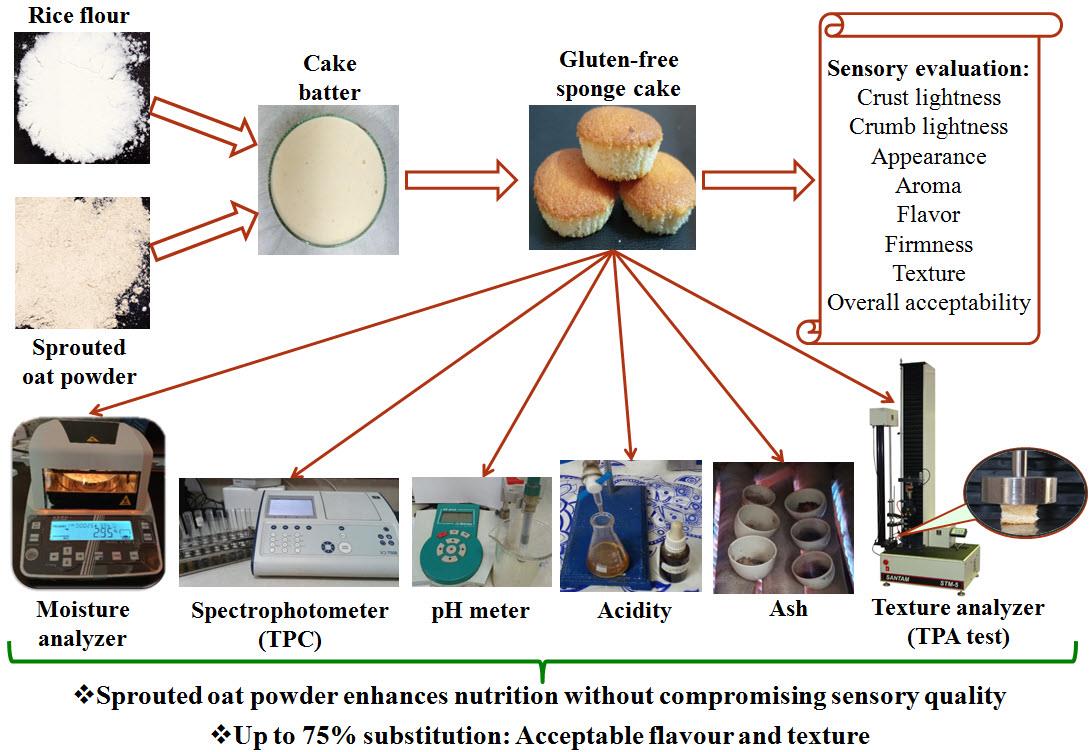
Fig. 1. Evaluation of sprouted oat powder addition on the physicochemical and sensory quality of gluten-free rice cakes
In the final step, the previously whipped egg whites were gently folded into the yolk-flour mixture along with the remaining sugar, using a circular folding motion to maintain the aerated structure. The resulting batter was poured into round paper cake pans. Cakes were baked in a Leopard fan-type oven (model L4215, Iran) at 170 ± 2 °C for 15 min. Upon completion of baking, the cakes were taken out from the oven and permitted to cool down to ambient temperature (approximately 25 °C). After cooling, the cakes were placed in polyethylene containers with moisture- and oxygen-barrier properties to maintain product quality.
Evaluation of Cake Batter Viscosity and Color
A rotational viscometer (Brookfield DV2T, RV model, USA) with an RV-04 spindle was employed to measure the AV of the cake batter. The determination involved recording viscosity at 0-120 seconds intervals across spindle speeds of 5, 10, and 15 rpm, all under a constant temperature of 25 ± 1°C.
Color parameters of the cake batter were determined by image processing technique. Digital images of the batter were captured with a 12-megapixel camera (LG K52, China) under standardized illumination. The captured images were then processed using ImageJ software (version 1.42e, USA) with the appropriate color analysis plugin. The color space of the photos was converted from RGB to the CIELAB system, providing values for L* (lightness), a* (green to red spectrum), and b* (blue to yellow spectrum) indices (Samary, Salehi, Aliverdi, and Daraei Garmakhany, 2025a) .
Baking Loss Determination
Baking loss was calculated following Vejdanivahid and Salehi report (2025b). It was determined by recording the mass of the cake batter prior to baking and the corresponding weight of the baked sponge cake. The percentage of baking loss was calculated based on the reduction in mass during baking relative to the initial batter weight and expressed as a percentage.
Volume and Density Determination
Cake volume was determined using the canola seed displacement method. A container larger than the cake sample was first filled with canola seeds of known density until leveled at the top. The seeds were then transferred into a second, identical container. The cake sample was placed in the first container, and the canola seeds from the second container were poured over it until the container was once again level, with excess seeds removed using a ruler. The mass of the removed seeds, along with the remaining seeds in the second container, was recorded. Based on the known density of the canola seeds, the displaced seed volume (equivalent to the cake's volume) was calculated (Salehi and Vejdanivahid, 2025). Cake density was calculated by measuring the volume displaced using the canola seed displacement method and dividing the cake’s mass by this volume.
Moisture and Ash Contents Determination
Moisture content for rice flour, SOP, and cake samples was measured by a Kern DBS60-3 digital moisture analyzer (Germany). Samples were analyzed by weight under controlled conditions, with the device automatically calculating and reporting results as a percentage based on heat-induced weight loss (Salehi and Vejdanivahid, 2026).
Ash content was determined by weighing 3 g of each sample, followed by pre-ashing over a flame to remove organic matter. The samples were then incinerated in a muffle furnace (Pars-Azma-Co., Iran) at 600 °C until constant weight was reached (Hosseini, 2006).
pH and Acidity Determination
The pH of rice flour, SOP, and cake samples was determined using a Metrohm 827 pH Lab (Switzerland). Samples (10 g) were homogenized with 100 mL of distilled water in a laboratory blender and allowed to stand for 20 min at 25°C. The calibrated pH meter with pH 4.0 and 7.0 buffer solutions was used.
Acidity of rice flour, SOP, and cake samples was determined following Samaryet al. (2025a). Samples (10 g) were mixed with 50 mL of 67% ethanol, stirred, and filtered. A 25 mL aliquot of the filtrate was titrated with sodium hydroxide (0.1 N) using phenolphthalein indicator (3%). Acidity was calculated and expressed based on the NaOH volume required for a persistent pink endpoint (Pourghasemian, Pourfarzad, and Babakhani, 2025).
Total Phenolic Content (TPC) and Antioxidant Capacity (AC) Determination
The TPC of rice flour, SOP, and cake samples was determined following the technique described by Samaryet al. (2025a). Results were reported as µg GAE/g of sample, calculated from a gallic acid standard calibration curve.
AC of samples was determined using the DPPH radical-scavenging assay according to Salehi, Ghazvineh, and Inanloodoghouz, (2023).
Color Parameters Determination
Color parameters of the cake crust and crumb were analyzed using image processing. Photographs of cake samples were captured with a 12-megapixel LG K52 camera (China), while rice flour and SOP images were obtained via an HP Scanjet-300 scanner. ImageJ software (v1.42e, USA) with a dedicated plugin was employed to convert RGB values to L*, a*, and b* color space parameters (Samaryet al., 2025b).
Protein and Fat Determination
The protein content of the cakes was determined using the Kjeldahl technique (Bordbar Lomer and Ghannadiasl, 2025). To determine the protein content, 1 g of the sample was placed into a digestion flask. A catalytic tablet consisting of 10 g potassium sulfate, 0.3 g copper(II) sulfate pentahydrate, and 0.3 g titanium dioxide was then added. Subsequently, 20 mL of concentrated sulfuric acid was added to each flask. The flasks were then positioned in a digestion unit and heated to 420 ± 10 °C. After a minimum of 2 hours of incubation, the samples were cooled and 50 mL of distilled water was then added. In a 125 mL Erlenmeyer flask, 50 mL of 2% boric acid solution was prepared, to which 10 drops of methyl red indicator were added. For the neutralization process, more than 5 mL of 40% sodium hydroxide solution was added in a Kjeldahl distillation apparatus. The distillate was then titrated with 0.1 N sulfuric acid until the endpoint, indicated by a color change to pink. The volume of sulfuric acid used was recorded and applied to the nitrogen content calculation formula. Lastly, the samples’ total protein content was ascertained through the multiplication of their nitrogen content by the standard protein conversion factor, 6.25 (Hosseini, 2006).
The fat content of the cakes was determined using a Soxhlet extraction apparatus. Initially, 5 grams of each sample were placed into an extraction thimble. Subsequently, 80 mL of n-hexane (Extra Pure, Arman Sina Co., Iran) was added as the solvent. The extraction was carried out using a laboratory-scale Soxhlet apparatus (Behr E4, Germany) for duration of 7 hours at a constant temperature of 70 ± 2°C (Hosseini, 2006).
Puncture and TPA Tests
Crust hardness was determined using a puncture test with a Santam STM-5 texture analyzer (Santam, Iran) equipped with a 5 mm diameter cylindrical probe. The probe penetrated the cake crust to a depth of 10 mm at a constant speed of 1 mm/s. The maximum force (N) recorded during penetration was considered as crust hardness. Measurements were performed at room temperature (approximately 25 ± 2 °C), and each sample was analyzed in triplicate (Samaryet al., 2025b).
Texture Profile Analysis (TPA) was performed using a Santam STM-5 texture analyzer (Santam, Iran) equipped with a 50 mm cylindrical probe. Cake samples (2 × 2 × 2 cm³) were subjected to a double compression cycle to 50% of their original height at a constant crosshead speed of 1 mm/s, with a fixed interval between compressions. The parameters of firmness, cohesiveness, springiness, and chewiness were calculated from the force–time curves according to standard TPA definitions. All measurements were conducted at room temperature (25 ± 2 °C), and each formulation was analyzed in triplicate (Goharpour, Salehi, and Daraei Garmakhany, 2024) .
Sensory Evaluation of Cake
The sensory evaluation was conducted in the Laboratory of New Technologies at Bu-Ali Sina University by 20 trained panelists representing different age groups (8 men and 12 women, aged 20-50 years). The study received ethical approval from the Biomedical Research Ethics Committee of Bu-Ali Sina University, Iran (Approval No. 5667). Before the evaluation, panelists received basic training to familiarize them with the sensory attributes and scoring procedure, thereby improving the consistency of their assessments. Cake samples were coded with random digit numbers and presented in a randomized order under identical testing conditions. Panelists evaluated crust lightness, crumb lightness, appearance, aroma, flavor, firmness, texture, and overall acceptability using a 9-point hedonic scale (1 = dislike extremely, 9 = like extremely). Drinking water was provided for palate cleansing between samples (Samaryet al., 2025b).
Statistical Analysis
All experiments were performed using three independent replicates, and each measurement was conducted in triplicate (analytical replicates). Results are presented as mean ± standard deviation (SD). Statistical analysis was performed using one-way analysis of variance (ANOVA) in SPSS software (version 21.0, IBM, USA). Differences among means were determined using Duncan's multiple range test at a significance level of p < 0.05.
Results and Discussion
Viscosity of Cake Batter
Fig. 2 illustrates the effect of spindle rotation speed and time on the AV of rice cake batter formulated with 50% SOP. At higher spindle speeds, the AV progressively decreased, indicating a shear-thinning behavior of the batter. This rheological trend remained consistent across all tested concentrations of SOP, indicating that its inclusion does not fundamentally change the batter’s flow characteristics.
During spindle rotation, the batter’s viscosity remained largely stable over time, exhibiting minimal reduction. This indicates a lack of significant time-dependent rheological behavior, such as thixotropy, under prolonged shear. The batter’s structural stability under shear is therefore maintained, which is important for consistent processing and handling in rice cake production.
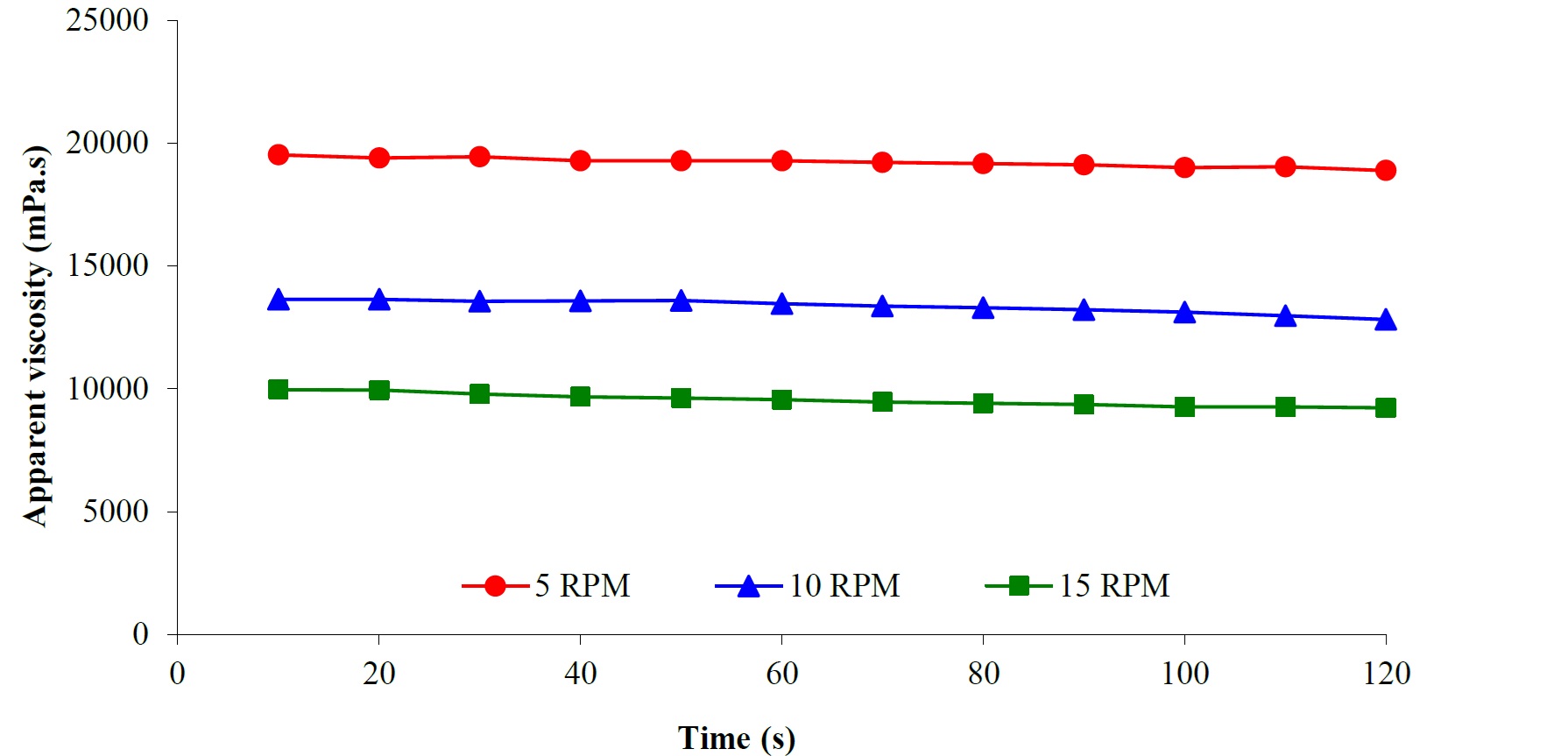
Fig. 2. Impact of spindle rotation speed (5–15 RPM) and time (s) on the apparent viscosity of rice cake batter containing 50% sprouted oat powder
The relationship between AV and spindle rotation speed for rice cake batter, as influenced by different levels of SOP substitution, is presented in Fig. 3. Higher levels of SOP in the formulation led to increased batter AV. This implies that the inclusion of SOP results in a thicker batter consistency. This thickening is likely attributable to the powder’s elevated fiber and soluble solids content, which can improves water-binding capabilities and promote the formation of a more robust network structure within the batter. The increase in AV with higher levels of SOP can be attributed mainly to the presence of oat β-glucan, a soluble dietary fiber with strong water-binding and viscosity-enhancing properties. Previous studies have shown that β-glucan increases dough stiffness and reduces extensibility by limiting molecular mobility and promoting a more structured system (Londono, Gilissen, Visser, Smulders, and Hamer, 2015). Therefore, the higher viscosity observed in this study is likely related to the functional role of β-glucan in increasing water immobilization and strengthening the batter structure in gluten-free systems.
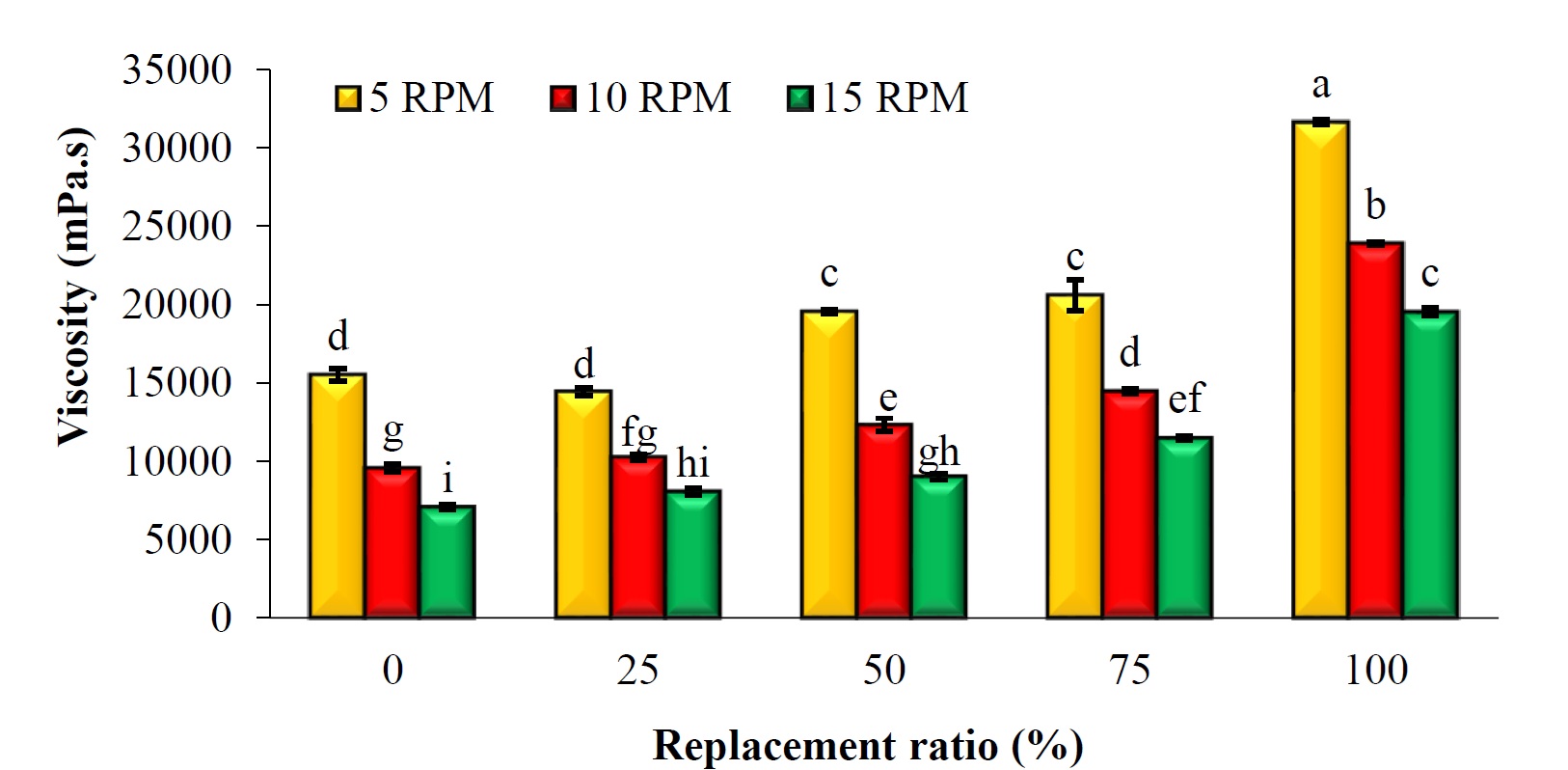
Fig. 3. influence of sprouted oat powder content and spindle rotation speed Distinct letters above the columns denote statistically significant differences at the p<0.05 level.
In addition, viscosity decreased as spindle speed increased at all replacement ratios, indicating pseudoplastic behavior of the batter. Such shear-thinning behavior is commonly observed in starch- and hydrocolloid-based systems, in which molecular alignment under shear reduces resistance to flow. While the incorporation of SOP leads to an enhancement in the AV of the batter, the non-Newtonian characteristics of the rice cake batter remains unaffected, as indicated by these results.
Color Indices of Cake Batter
Fig. 4 illustrates the effect of SOP replacement ratios on the color parameters (lightness (L*), redness (a*), and yellowness (b*)) of rice cake batter. As the proportion of SOP increased in the formulation, a remarkable darkening of the batter was observed, as reflected by a decrease in the lightness (L*) index. The lowest lightness value was recorded in the batter prepared with 100% SOP, indicating a significant reduction in brightness compared to formulations containing higher levels of rice flour.
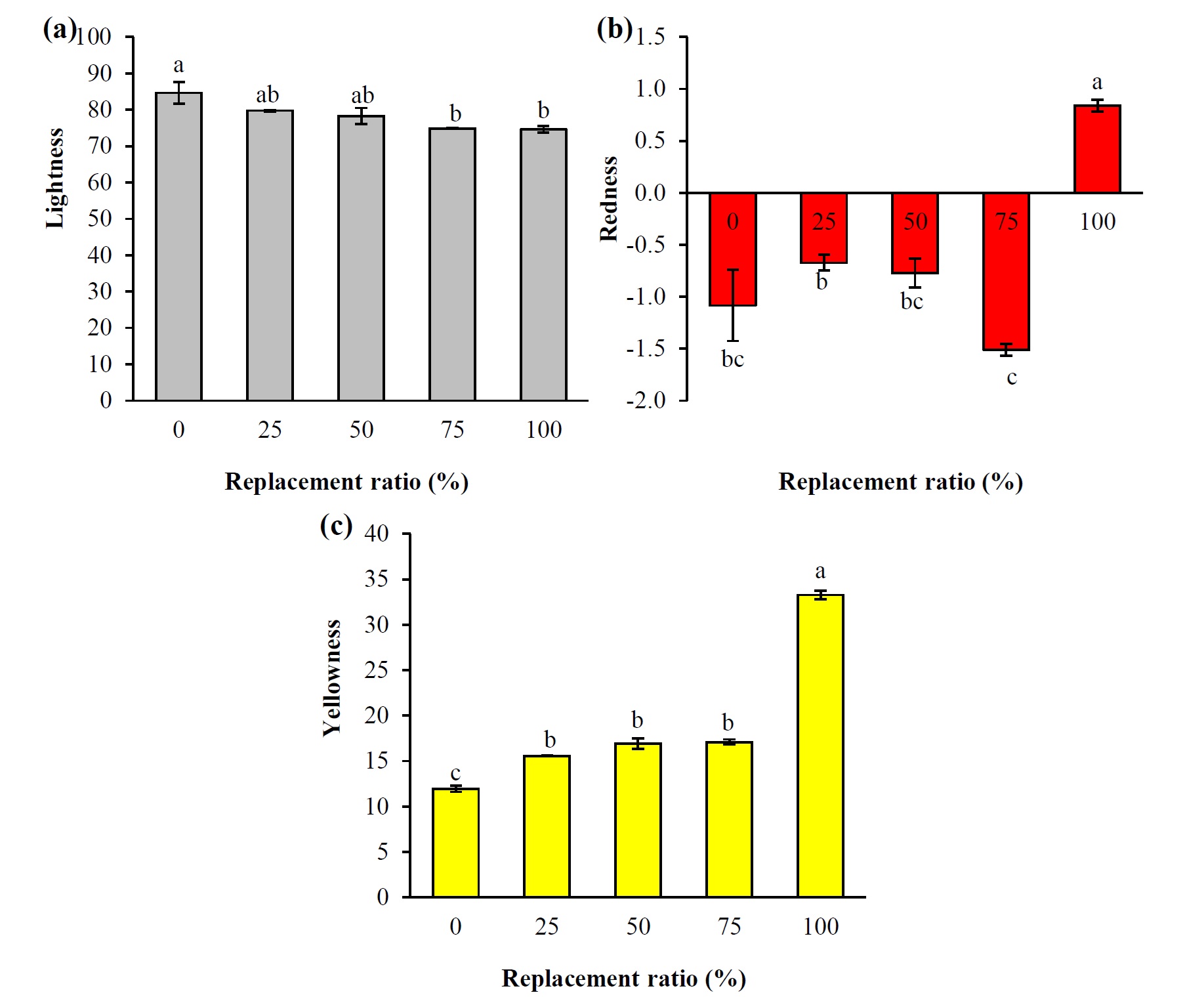
Fig. 4. Color properties of sponge cake batter as affected by sprouted oat powder incorporation Distinct letters above the columns denote statistically significant differences at the p<0.05 level.
The redness index (a*) values of the batters ranged from -1.5 to 0.8, showing minimal variation across replacement ratios. However, a clear trend was observed in the yellowness index (b*): as the percentage of SOP increased, the yellowness of the batter also increased. The formulation containing 100% rice flour exhibited the lowest b* value, whereas the highest b* value was recorded for the batter with 100% SOP. This increase in yellowness is likely attributable to the natural pigments or Maillard reaction products present in sprouted oats. The difference in yellowness between the two extremes (0% and 100% substitution) was statistically significant (p<0.05), highlighting the substantial impact of SOP on the color profile of the batter.
Baking Loss
Fig. 5 presents the influence of SOP replacement levels on the weight and baking loss of rice cakes. As the proportion of SOP increased, the final weight of the baked cakes also increased. Consequently, a corresponding decrease in baking loss percentage was observed. Cake sample made with 100% rice flour exhibited the minimum post-baking weight and the maximum baking loss, while the sample formulated with 100% SOP showed the maximum weight and the minimum baking loss. The differences between these two formulations were considerable (p<0.05) for both weight and baking loss parameters. The observed increase in cake weight and reduction in baking loss with higher levels of SOP may be attributed to the superior water absorption and retention capacity of sprouted oats, likely due to their higher fiber and protein content.
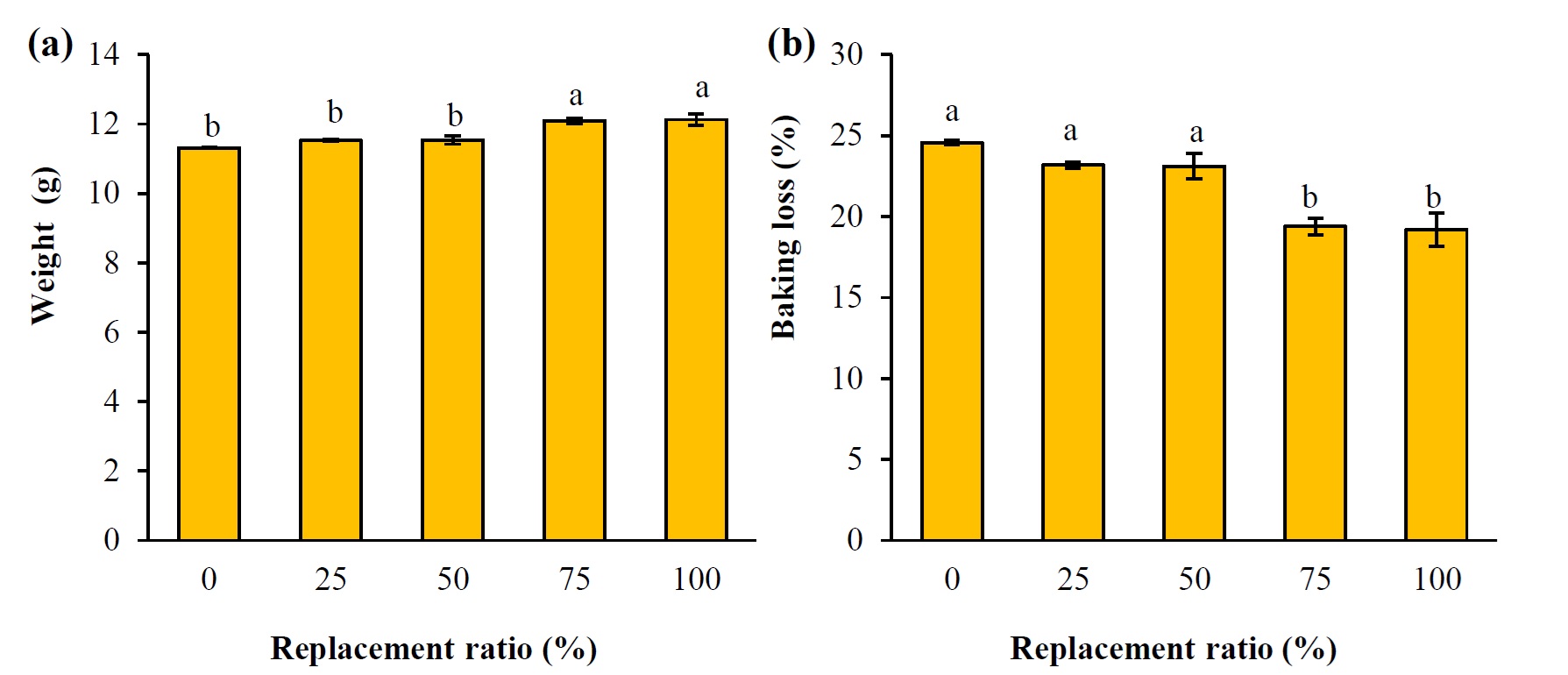
Fig. 5. Influence of sprouted oat powder addition on cake weight (a) and baking loss (b) Distinct letters above the columns denote statistically significant differences at the p<0.05 level.
These components may enhance the water-holding capacity of the batter during baking, thereby minimizing moisture evaporation and structural shrinkage. The reduced baking loss is a desirable trait, as it contributes to improved yield and product consistency in baked goods. Nazari and Gharekhani (2021) reported that increasing the level of sprouted mung bean flour in bread dough up to 15% resulted in a non-significant reduction in baking loss, indicating that moderate replacement ratios may slightly improve moisture retention during baking without significantly altering water loss dynamics.
Volume and Density
Cake volume is a key quality parameter, often used to evaluate the extent of leavening and the batter's ability to retain gas during baking. Fig. 6 displays the effect of different replacement ratios of SOP on the volume and density of rice cakes. The results show that there were no statistically significant differences in either volume or density among the various formulations (p>0.05).
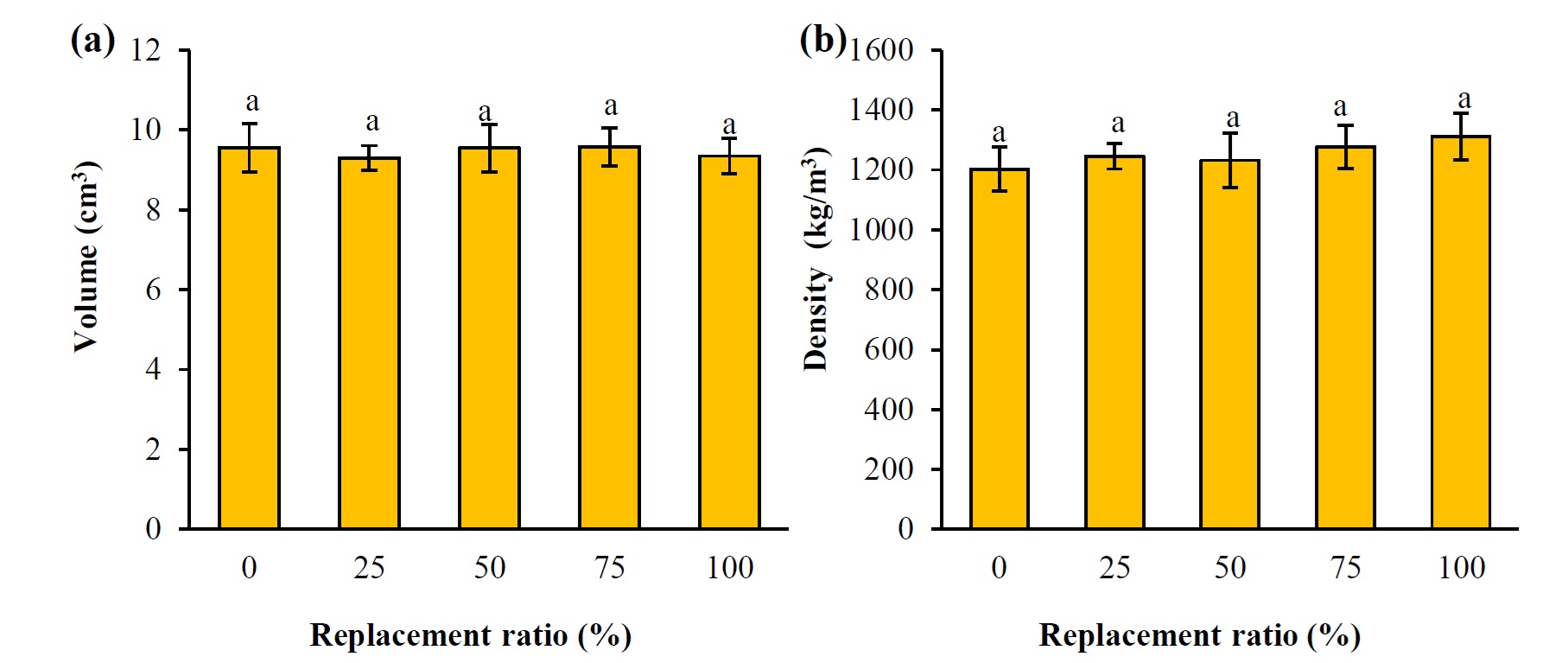
Fig. 6. Effect of sprouted oat powder substitution on the volume (a) and density (b) of rice sponge cakes Same letters above the columns denote statistically no significant differences (p>0.05).
In the present study, cake volume varied between 9.3 and 9.6 cm³, while density values fell within the range of 1202.5–1311.7 kg/m³. These findings suggest that replacing rice flour with SOP, even at high levels, did not adversely affect the cake's ability to expand or maintain structural integrity during baking. This indicates that SOP can be used as a functional ingredient in rice cake formulations without compromising volumetric quality or increasing product compactness.
Moisture and Ash Contents
Rice flour and SOP exhibited moisture contents of 8.17% and 6.72%, respectively. Fig. 7a illustrates the impact of SOP replacement ratio on the moisture content of cakes. Despite the slightly lower initial moisture content of SOP, its incorporation into rice cake formulations had a notable impact on the final moisture content of the baked products. As the level of SOP substitution increased, the moisture content of the resulting sponge cakes increased. Cake sample made entirely with rice flour (0% substitution) exhibited the minimum moisture content, while the highest value was recorded for the cake made with 100% SOP. The difference between these two formulations was statistically considerable (p<0.05). The observed rise in moisture retention can likely be ascribed to the elevated fiber and protein levels in SOP, which potentially augment the water-holding capacity within the batter. These results suggest that SOP not only contributes nutritional value but also improves the functional moisture-retention properties of gluten-free sponge cakes during baking. Consistent with our findings, Balighi, Alami, and Sadeghi, (2024) investigated the impact of replacing rice flour with raw and sprouted mung bean powder (MBP) on the physicochemical attributes of gluten-free batter and cake. Their research corroborated that the inclusion of sprouted MBP can favorably affect the quality parameters of cakes. Specifically, they observed the maximum cake moisture content at a 20% replacement ratio of sprouted mung bean flour, highlighting its capacity to improve moisture retention in gluten-free baked goods.
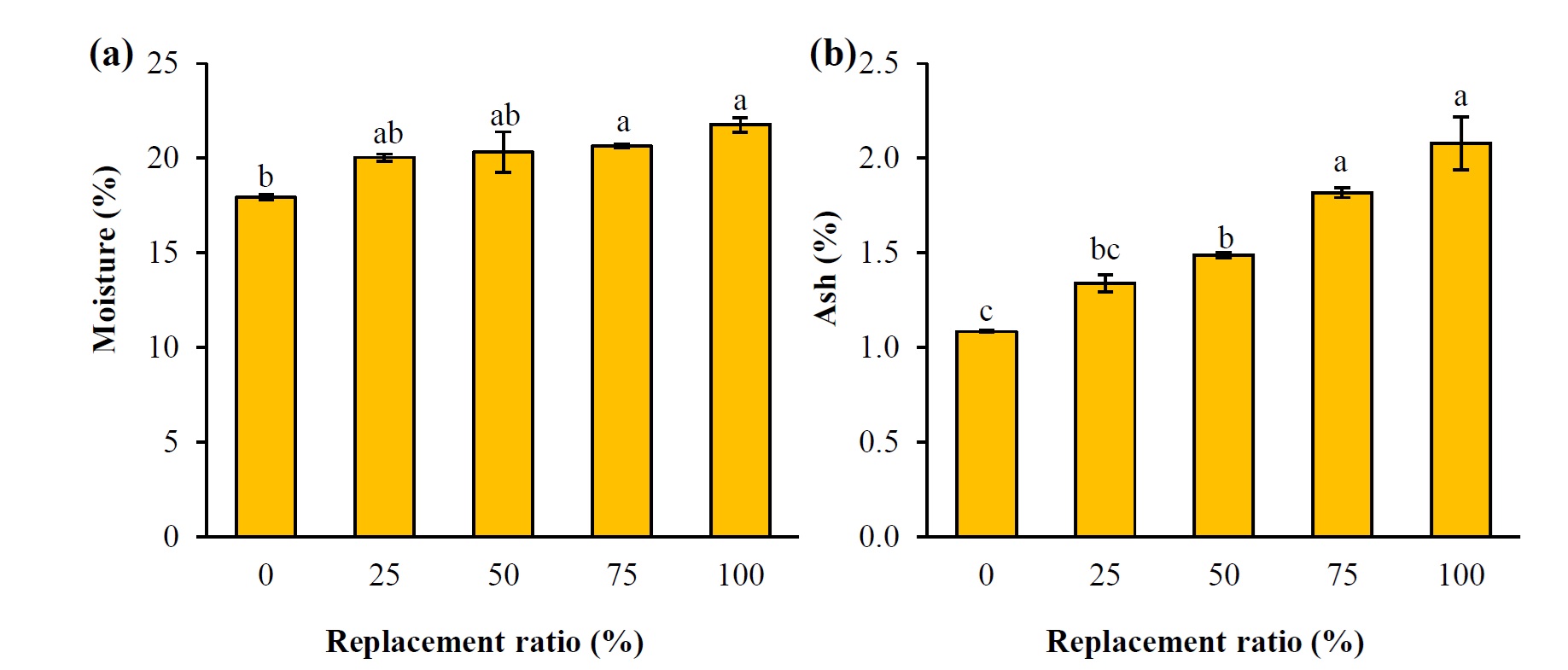
Fig. 7. Changes in moisture (a) and ash (b) contents of rice cake as influenced by different levels of sprouted oat powder incorporation Distinct letters above the columns denote statistically significant differences at the p<0.05 level.
Ash content is an indicator of the total mineral content in food products and can reflect the nutritional enhancement introduced by ingredient substitution. Aparicio-Garcíaet al. (2021) observed that oat seed powder is characterized by substantial levels of both macro- and micro-minerals, with potassium (K) being the predominant mineral, followed by phosphorus (P), magnesium (Mg), and calcium (Ca). Additionally, the micro-minerals iron (Fe), zinc (Zn), and manganese (Mn) were present in notable quantities, whereas sodium (Na) and copper (Cu) were detected at lower levels. The average ash content of the rice flour and SOP used in this study was 0.7% and 2.7%, respectively. Fig. 7b illustrates the impact of SOP replacement level on the ash content of gluten-free sponge cakes. The substitution of rice flour with increasing levels of SOP led to a proportional increase in the ash content of the formulation. Cake sample made with 100% rice flour exhibited the lowest ash content, while the highest ash content was recorded for the cake containing 100% SOP. This finding is consistent with the higher intrinsic mineral content of SOP compared to rice flour. The progressive increase in ash content with higher replacement ratios indicates that incorporating SOP can effectively enhance the mineral profile of gluten-free sponge cakes, offering potential nutritional benefits without compromising product integrity.
pH and Acidity of Cake
The sprouting process is known to reduce the pH and increase the titratable acidity of sprouted cereal flour due to the formation of organic acids during sprouting (Fateh Nikoo, Naghipour, and Faraji, 2019). As a result, bakery products formulated with sprouted cereal flour typically exhibit lower pH and higher acidity compared to those made with non-sprouted flours (Samaryet al., 2025b; Vejdanivahid and Salehi, 2025b). The average pH values of the rice flour and SOP used in this study were 6.83 and 5.65, respectively, while their corresponding average titratable acidity values were 0.25% and 1.55%. These differences reflect the biochemical changes that occur during the sprouting process, including the production of organic acids that lower pH and increase acidity.
The influence of SOP replacement on the pH and acidity of rice cakes is presented in Fig. 8. A clear trend emerged: as the concentration of SOP increased, the titratable acidity of the baked cakes increased, while the pH values correspondingly decreased. The lowest acidity (0.29%) and highest pH (7.25) were observed in the sample containing 100% rice flour. In contrast, the highest acidity (0.83%) and lowest pH (6.73) were recorded in the sample made with 100% SOP. These differences were statistically significant (p<0.05). The observed trends can be attributed to the acidic nature of SOP, which introduces a greater concentration of organic acids into the batter. This increase in acidity and decrease in pH may influence not only the flavor profile but also the shelf life and microbial status of the final product. Such changes are important considerations in the formulation of functional baked goods. Vermelhoet al. (2024) and Vejdanivahid and Salehi (2025b) reported that, in the baking industry, acidity resulting from organic acids plays a crucial role in inhibiting microbial growth, thereby enhancing the shelf life of bread and other baked goods, while simultaneously contributing to flavor development.
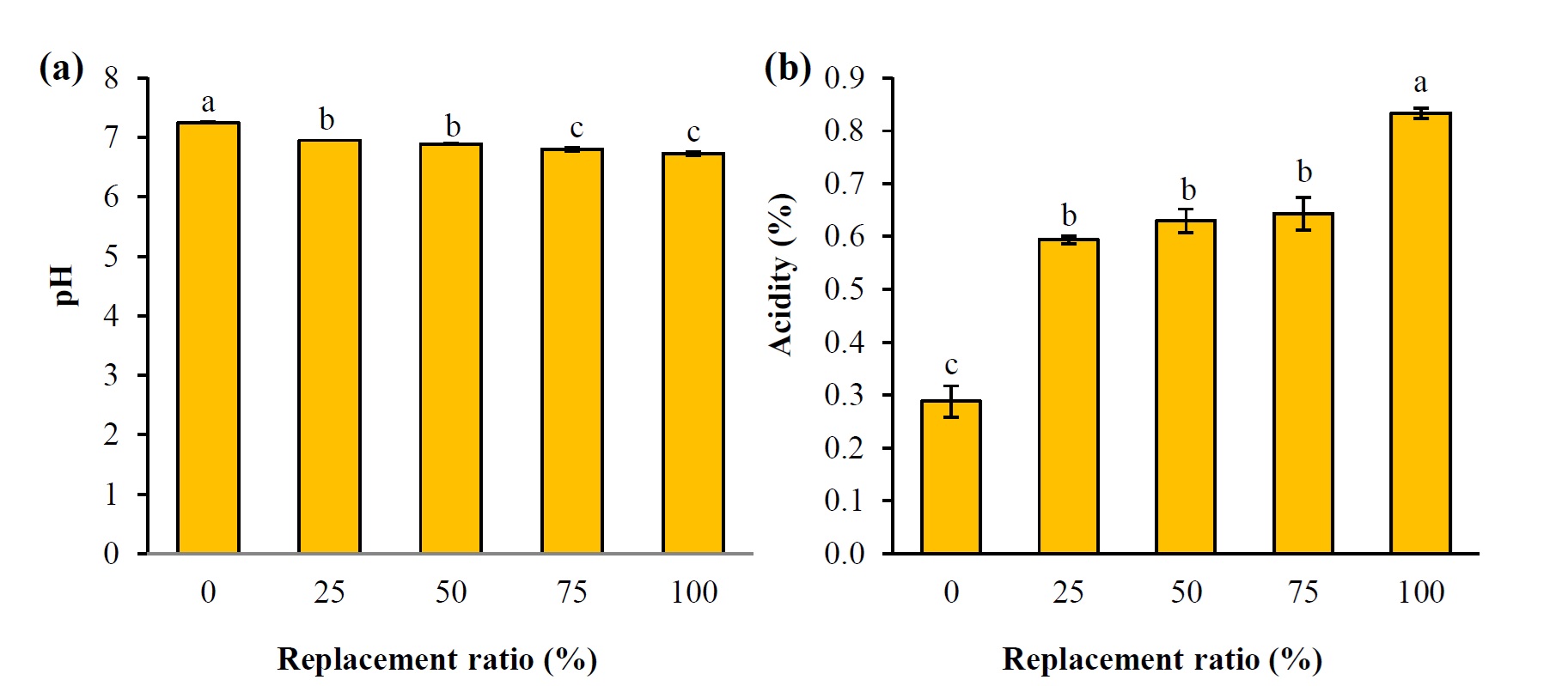
Fig. 8. Impact of sprouted oat powder incorporation level on the pH (a) and acidity (b) of rice cake Distinct letters above the columns denote statistically significant differences at the p<0.05 level.
TPC and AC
Sprouting has been widely reported to improve the nutritional profile of cereal grains by increasing the concentration of antioxidant, anti-inflammatory, and other bioactive compounds associated with improved regulation of blood lipid and glucose levels (Schendel, 2019; Singhet al., 2015). In the current study, the TPC and AC of the rice flour and SOP were 390.7 µg GAE/g and 1580.2 µg GAE/g, and 17.1% and 93.6%, respectively. These values highlight the significantly higher functional potential of SOP compared to rice flour.
The influence of SOP replacement on the TPC and AC of gluten-free rice cakes is shown in Fig. 9. A consistent trend of increasing TPC and AC was observed with higher proportions of SOP. The 100% rice flour control sample yielded the minimum TPC and AC, in contrast to the 100% SOP sample, which demonstrated the maximum values. These extreme values were statistically significant (p<0.05). These findings highlight the promising role of sprouted grains, particularly SOP, as functional ingredients for developing more nutritious, antioxidant-rich, and health-promoting gluten-free bakery products.
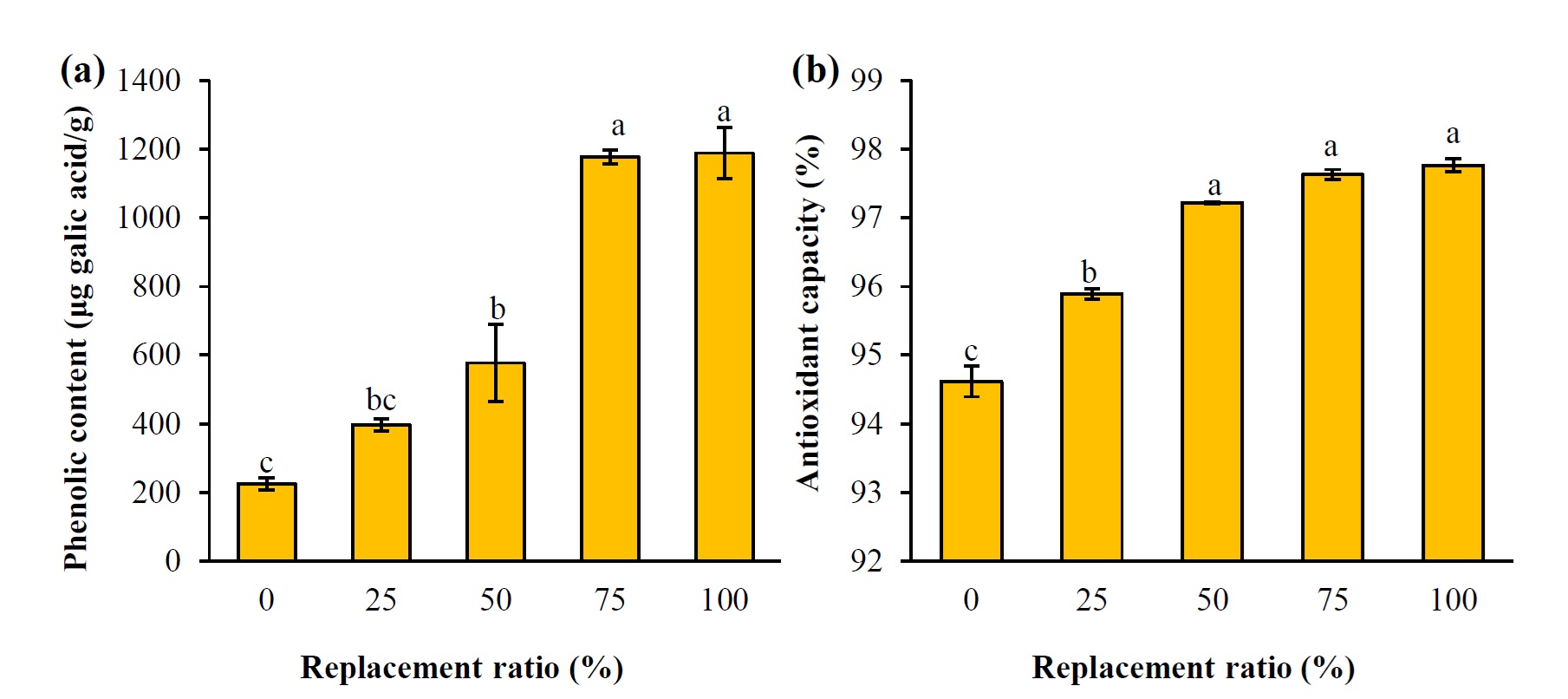
Fig. 9. Impact of sprouted oat powder incorporation level on the total phenolic content (a) and antioxidant capacity (b) of rice cake Distinct letters above the columns denote statistically significant differences at the p<0.05 level.
Caoet al. (2022) , investigated the substitution of wheat starch with SOP in bread and reported increased polyphenol and butyric acid content, suggesting that sprouting enhances both digestibility and nutritional value. Similarly, Ahmedet al. (2024), evaluated the effect of sprouted wheat grain on the AC of cupcakes and found that sprouting for up to three days significantly improved the nutritional composition and AC of the final product, resulting in a healthier baked good. Moreover, Aparicio-Garcíaet al. (2021), evaluated sprouted oat as a promising gluten-free ingredient with improved nutritional and bioactive characteristics and reported that sprouting increased the levels of free phenolic compounds, γ-aminobutyric acid (GABA), and AC in oat powder.
Crust and Crumb Color Indexes of Cake
The sprouting process enhances enzymatic activity, which promotes both enzymatic and non-enzymatic browning reactions, ultimately leading to a reduction in product lightness (Ahmedet al., 2024; Javaheripour, Shahsoni Mojarad, Mahdikhani, and Inanloo, 2022; Vejdanivahid and Salehi, 2025a). In this study, the color parameters of the rice flour and SOP used in the formulations were notably different. The rice flour exhibited a lightness (L*) value of 97.31, a redness (a*) value of 0.01, and a yellowness (b*) value of 3.54, indicating its bright and neutral color profile. In contrast, the SOP showed a lower lightness value of 91.31, along with higher redness (a* = 2.32) and yellowness (b* = 11.12) values, reflecting it's darker and more intensely pigmented appearance. These intrinsic color differences between the two flours help explain the observed reductions in cake lightness and the increase in crumb redness and yellowness as the level of SOP substitution increased.
Fig. 10 presents the impact of SOP incorporation level on the crust and crumb color parameters of gluten-free rice cakes. As the proportion of SOP increased, both crust and crumb lightness values decreased significantly. The control sample made with 100% rice flour exhibited the highest lightness values, while the sample containing 100% SOP showed the lowest. In this study, crust lightness values ranged from 45.2 to 65.8, and crumb lightness ranged from 61.9 to 89.0. Similar observations were made by Javaheripouret al. (2022), who reported decreased lightness and darkening of sponge cakes prepared with sprouted wheat flour, attributing the changes to elevated enzymatic activity and the accumulation of reducing sugars during sprouting. Likewise, Ahmedet al. (2024), found that sprouting wheat grains led to significant reductions in cupcake lightness, from 51.79 in the control to 43.17 and 32.73 after 1 and 5 days of sprouting, respectively. Nazari and Gharekhani (2021), reported that the L* index of gluten-free bread decreased as the proportion of sprouted mung bean flour replacing rice flour increased. This decline in lightness was attributed to the darker color of sprouted mung bean flour, as well as the enhanced browning reactions associated with sprouting.
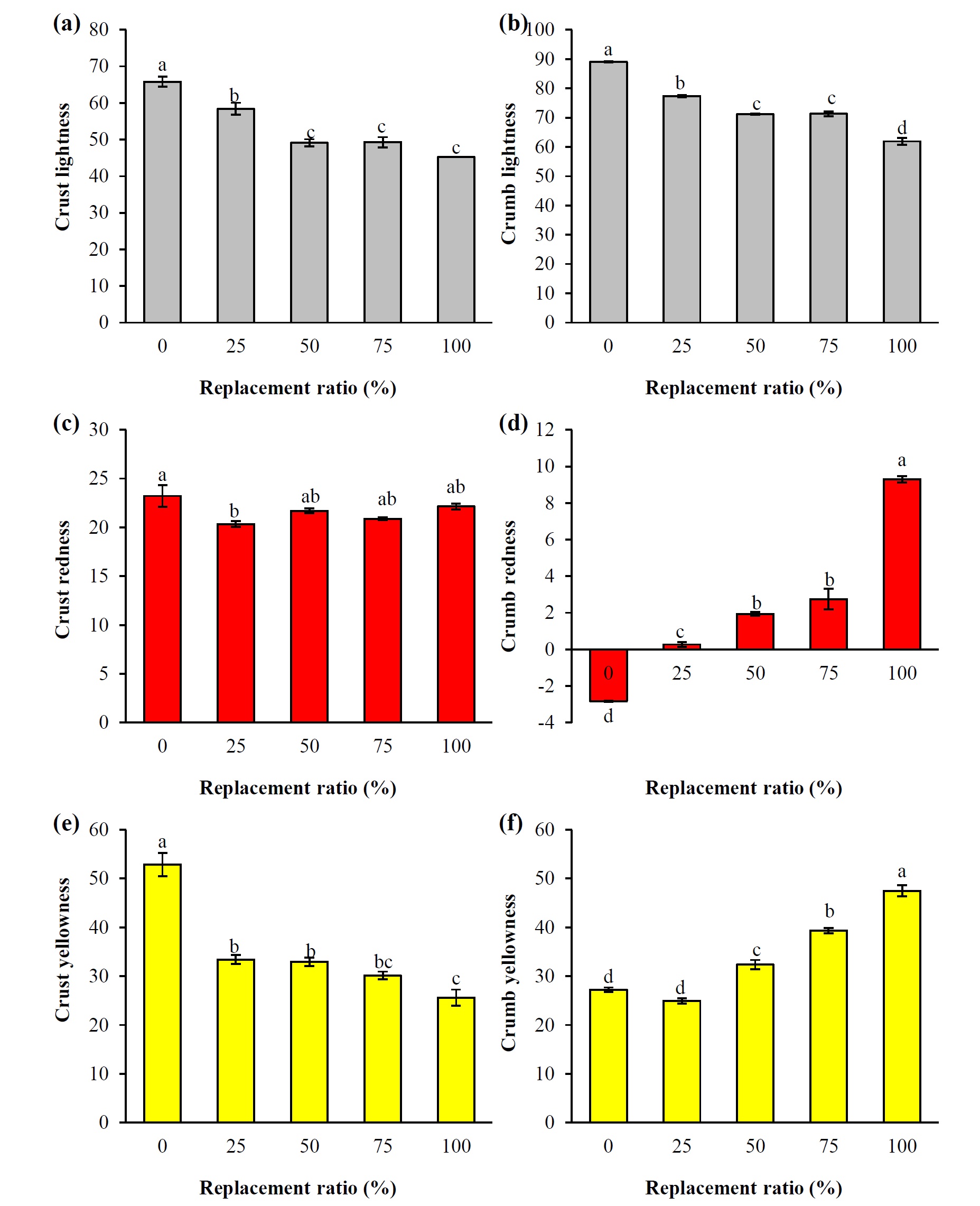
Fig. 10. Impact of sprouted oat powder incorporation level on the lightness (crust (a) and crumb (b)), redness (crust (c) and crumb (d)), and yellowness (crust (e) and crumb (f)) of rice cake Distinct letters above the columns denote statistically significant differences at the p<0.05 level.
In terms of the redness index (a*) of the cake crust, no consistent trend was observed across different replacement ratios. However, a considerable increase (p<0.05) in crumb redness values was detected with higher levels of SOP substitution. This suggests that while surface browning may be influenced by complex interactions during baking, the internal color development of the crumb is more directly affected by the increasing concentration of pigments and reducing sugars associated with SOP. The redness values of the cake crust were notably higher than those of the crumb, likely due to non-enzymatic browning reactions that predominantly occur on the surface during baking. In the present study, the redness index of the crust ranged from 20.3 to 23.2, while the crumb ranged from -2.8 to 9.3.
Regarding the yellowness index (b*), increasing the proportion of SOP led to a rise in crumb yellowness, whereas the yellowness of the crust showed a decreasing trend. These contrasting patterns may result from differences in moisture loss, pigment degradation, and thermal reaction intensity between the crust and crumb during baking. In the present study, the yellowness index of the crust ranged from 25.6 to 52.8, while the crumb ranged from 25.0 to 47.5.
Protein and Fat Contents
The protein content of SOP was notably high, reaching 10.7%, highlighting its potential as a nutrient-rich ingredient for gluten-free formulations (Aparicio-Garcíaet al., 2021). The protein content of the rice flour and SOP used in this study was 9.8% and 13.0%, respectively. This difference reflects the naturally higher protein content of oats, which can be further enhanced through the sprouting process due to increased enzymatic activity and nutrient bioavailability. Fig. 11a illustrates the impact of SOP replacement ratio on the protein content of gluten-free rice cakes. Protein content increased progressively as the level of SOP incorporated into the formulation increased. The maximum protein content was recorded in the cake made with 100% SOP. This trend demonstrates that SOP can serve as an effective protein enhancer in gluten-free baked products. The increase in protein content is particularly relevant for improving the nutritional quality of gluten-free formulations, which often lack sufficient protein. Incorporating SOP may therefore contribute to the development of more balanced and nutritionally adequate gluten-free products.
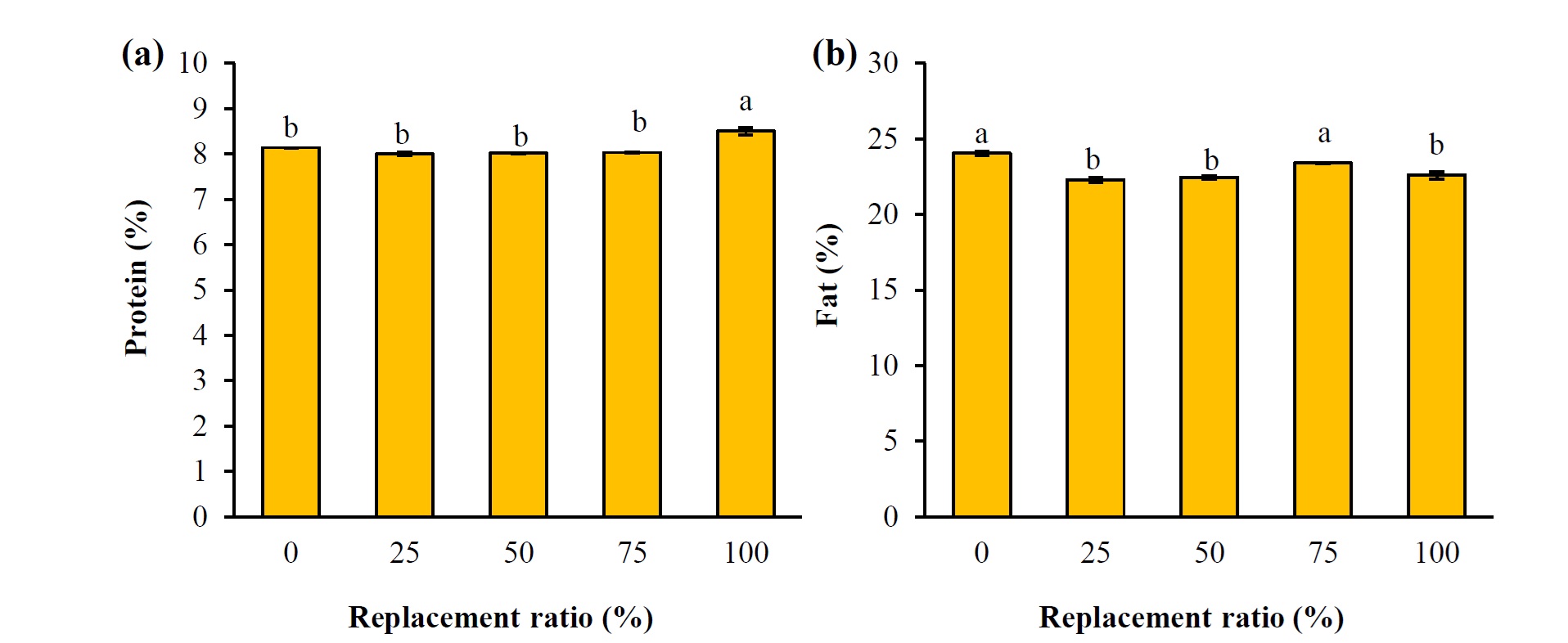
Fig. 11. Changes in protein (a) and fat (b) contents of rice cakes as affected by the incorporation level of sprouted oat powder Distinct letters above the columns denote statistically significant differences at the p<0.05 level.
Aparicio-Garcíaet al. (2021) , reported the fatty acid composition of oat powder, with linoleic, oleic, and palmitic acids representing the majority (>94%) of total fatty acids. Also, SOP exhibited a similar overall profile; however, sprouting significantly increased the levels of palmitoleic, linoleic, α-linolenic, and cis-11-eicosenoic acids, while oleic acid decreased by approximately 3%, indicating that sprouting can enhance the nutritional quality of oat lipids. The average fat content of the rice flour and SOP used in this study was 1.3% and 2.5%, respectively. These values reflect the naturally higher lipid content of oats compared to rice, which could potentially influence the fat content of the final product when used as a substitute. Fig. 11b demonstrates the effect of SOP replacement ratio on the fat content of gluten-free rice cakes. Unlike the trends observed for ash and moisture content, no consistent or statistically significant pattern was evident in the fat content across the different replacement ratios. The fat content of the cakes ranged from 22.3% to 24.1%, regardless of the proportion of SOP used. This lack of a clear trend in fat content may be attributed to several factors, including interactions between ingredients during baking, changes in the moisture content of the product, and variations in the amount of oil absorbed by the paper cake pans. Additionally, differences in fat retention and the influence of other formulation components could have contributed to the observed variability. Nonetheless, the overall fat content remained within a relatively narrow range, suggesting that substitution with SOP does not considerably alter the lipid level of the final product.
Puncture and TPA Tests Results
Among the paramount quality indicators for food products, texture stands out as particularly crucial, especially in bakery goods like cake, assume a pivotal role in the food industry and consumer perception and acceptance. Among the various textural parameters, crust hardness is especially important as it influences the initial mouthfeel and overall eating experience. The influence of SOP substitution on crust hardness in gluten-free rice cakes is shown in Fig. 12. As the level of SOP increased, crust hardness increased correspondingly. The control sample prepared with 100% rice flour recorded the minimum hardness (0.04 N), while the sample formulated entirely with SOP showed the maximum hardness (0.55 N), with significant differences between them (p<0.05). Our results align with the observations of Javaheripouret al. (2022), who documented a notable enhancement in the textural firmness of sponge cakes when sprouted wheat flour was integrated into their formulations.
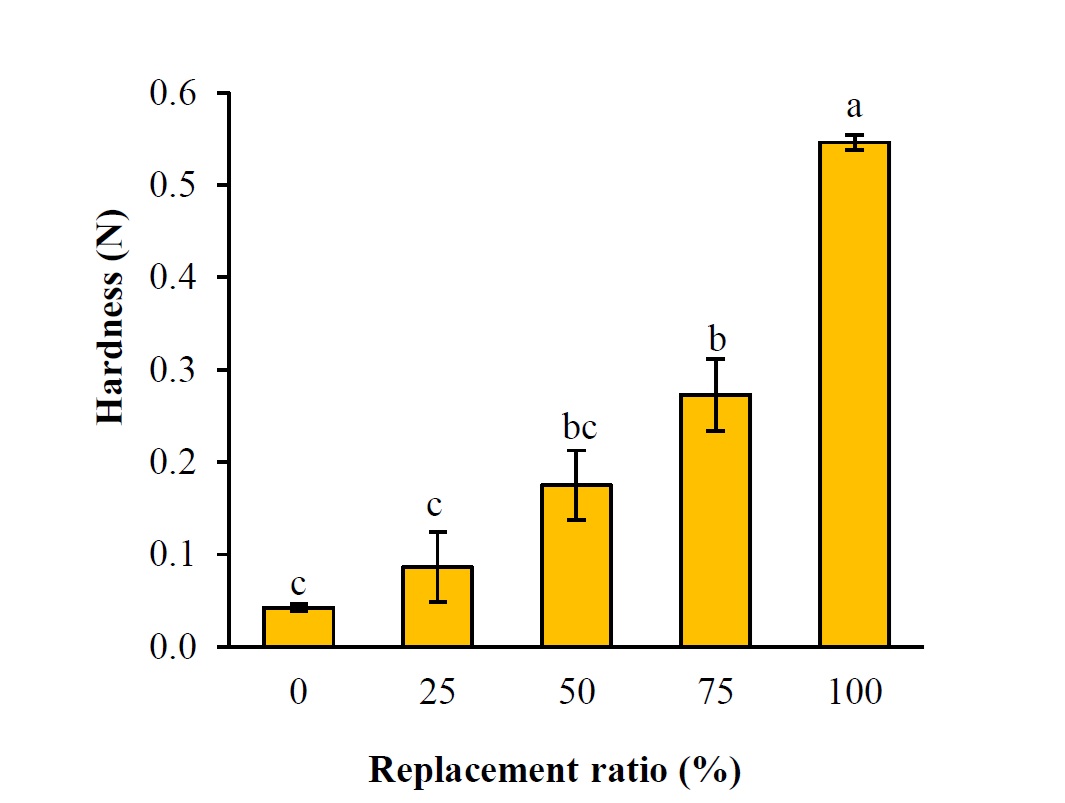
Fig. 12. Impact of sprouted oat powder incorporation level on the crust hardness (puncture test) of rice cake Distinct letters above the columns denote statistically significant differences at the p<0.05 level.
In alignment with our results, NazariandGharekhani(2021) , examined the effects of replacing rice flour with both raw and sprouted MBP on the TPC and physicochemical attributes of gluten-free bread. They reported that the inclusion of sprouted MBP, particularly up to a 5% substitution rate, enhanced bread volume in rice flour-based formulations. Furthermore, their study showed that higher levels of MBP in the formulation resulted in a significant increase in TPC and greater sample hardness.
Table 1 presents the effect of SOP replacement ratio on the textural properties of gluten-free rice cakes, as measured by the texture profile analysis (TPA) test. The results indicate that there were no statistically significant differences (p>0.05) in either firmness or cohesiveness among the various formulations. Firmness values ranged from 2.08 N to 3.80 N, while cohesiveness values varied from 0.33 to 0.63. These findings suggest that the replacement of rice flour with SOP, even at high replacement ratios, did not negatively affect the crumb structure or internal firmness of the cakes, thereby maintaining overall textural integrity during baking. In terms of springiness and chewiness, no consistent trends were observed across the samples. The differences between treatments were generally not significant, further supporting the stability of the cake’s internal texture. Springiness values ranged from 0.22 to 0.50, while chewiness values ranged from 0.16 N to 1.07 N. Overall, the TPA results suggest that SOP can be effectively incorporated into gluten-free rice cake formulations without compromising key textural attributes, making it a suitable functional ingredient for improving the nutritional value of baked goods while preserving desirable sensory qualities.
| Replacement ratio | Firmness (N) | Cohesiveness | Springiness | Chewiness (N) |
|---|---|---|---|---|
| 0% | 3.80±1.37 a | 0.57±0.04 a | 0.50±0.08 a | 1.07±0.41 a |
| 25% | 2.08±0.07 a | 0.63±0.27 a | 0.44±0.12 a | 0.64±0.43 ab |
| 50% | 2.69±0.70 a | 0.45±0.04 a | 0.34±0.12 ab | 0.46±0.25 ab |
| 75% | 2.14±0.42 a | 0.33±0.03 a | 0.22±0.02 b | 0.16±0.05 b |
| 100% | 2.77±0.05 a | 0.45±0.07 a | 0.31±0.04 ab | 0.39±0.04 ab |
| Data are shown as mean ± standard deviation (N = 3). Distinct letters within the columns denote statistically significant differences at the p<0.05 level. | ||||
Sensory Evaluation
The impact of SOP replacement level on the sensory attributes of rice cakes is presented in Table 2. Due to the naturally darker color of SOP compared to rice flour, its incorporation into the cake formulation resulted in a darker crust and crumb. As the replacement ratio increased, the visual darkness of the cakes intensified, leading to lower sensory scores for crust lightness, crumb lightness, and overall appearance. The highest scores for these parameters were observed in the control sample containing 100% rice flour, which showed a statistically significant difference (p<0.05) compared to the sample made with 100% SOP.
| Replacement ratio | Crust lightness | Crumb lightness | Appearance acceptance | Aroma acceptance | Flavor acceptance | Firmness | Texture acceptance | Overall acceptance |
|---|---|---|---|---|---|---|---|---|
| 0% | 8.2±1.2 a | 8.3±1.3 a | 7.9±1.2 a | 6.6±2.0 a | 7.2±1.8 a | 5.6±1.9 a | 6.9±1.8 a | 7.5±1.6 a |
| 25% | 7.2±1.5 ab | 7.2±1.6 ab | 7.4±1.4 a | 6.5±1.8 a | 6.7±1.7 a | 6.3±1.8 a | 6.8±1.4 ab | 7.2±1.3 a |
| 50% | 6.8±1.4 bc | 6.8±1.3 bc | 7.1±1.2 ab | 7.1±1.3 a | 6.8±1.1 a | 6.1±1.4 a | 6.4±1.1 ab | 7.2±0.6 a |
| 75% | 6.0±1.7 cd | 6.0±1.5 cd | 6.2±1.2 bc | 6.6±1.2 a | 6.1±1.3 ab | 6.1±1.5 a | 6.4±1.3 ab | 6.7±1.0 a |
| 100% | 5.4±1.7 d | 5.4±1.7 d | 5.3±1.4 c | 5.3±1.8 b | 5.5±1.3 b | 5.8±2.0 a | 5.7±1.1 b | 5.1±1.6 b |
| Data are shown as mean ± standard deviation (N = 20). Distinct letters within the columns denote statistically significant differences at the p<0.05 level. | ||||||||
In terms of aroma, a considerable variation was only observed in the complete replacement cake (100% SOP), which received the lowest score among all formulations. A similar trend was noted for flavor, texture, and overall acceptance, with the 100% SOP sample consistently receiving the lowest ratings. However, consistent with the instrumental TPA results, no significant differences were detected in perceived texture firmness among the samples, suggesting that the mechanical and sensory evaluations of this parameter are in agreement.
Overall, the sensory evaluation results indicate that up to 75% of rice flour can be successfully substituted with SOP in gluten-free rice cake formulations without negatively impacting key sensory attributes such as aroma, flavor, texture, or overall acceptance. This finding supports the use of SOP as a functional ingredient capable of enhancing the nutritional profile of gluten-free products while maintaining consumer acceptability.
Conclusion
Considering the growing interest in nutrient-enriched bakery products, the present work examined the application of SOP as a partial substitute for rice flour in the formulation of gluten-free sponge cake. The present study comprehensively examined the impact of replacing rice flour with SOP on the quality attributes of rice cakes. The findings indicate that such substitution significantly modified and, in some aspects, enhanced the nutritional properties of the final product, particularly by increasing weight, moisture, ash, acidity, TPC, AC, and protein. These enhancements are primarily attributed to the compositional richness of SOP, which contains higher levels of ash (2.7%), TPC (1580.2 µg GAE/g), AC (93.6%), and protein (13.0%) compared to rice flour.
Despite these nutritional improvements, the substitution also influenced the quality of the cakes. The lightness (L*) of both batter and cake decreased significantly with increasing sprouted oat content due to intensified Maillard and enzymatic browning reactions during baking. Texture analysis revealed that crust hardness increased with higher levels of substitution, yet the internal crumb firmness, cohesiveness, springiness, and chewiness were largely unaffected. This suggests that the structural integrity of the cakes remained stable even at elevated levels of substitution. The greatest sensory differences among the cake samples were associated with their color. The 100% sprouted oat sample received the lowest scores in crust/crumb color, aroma, and overall acceptability. However, cakes containing up to 75% SOP substitution were well-accepted by the panelists in terms of taste, texture, and general appeal, showing no significant differences from the control. In conclusion, SOP presents a promising functional ingredient for use in gluten-free bakingproducts. Its incorporation enhances the nutritional profile of rice cakes without compromising key quality attributes, particularly when replacement ratio does not exceed 75%.
Founding Sources
This work was supported by a grant from the Bu-Ali Sina University, Hamedan, Iran (Grant No. 40346 to Fakhreddin Salehi).
Author Contributions
Alaa Hussein Allawi Allawi: Data curation, Formal analysis, Investigation, Methodology, Software, Writing – original draft. Fakhreddin Salehi: Conceptualization, Data curation, Formal analysis, Investigation, Methodology, Project administration, Software, Supervision, Validation, Writing–original draft, Writing–review and editing. Amir Daraei Garmakhany: Conceptualization, Methodology, Supervision, Writing–original draft.
References
- Ahmed, W.E., Ragab, I., Gadallah, M.G.E., Alhomaid, R.M., & Almujaydil, M.S. (2024). Effect of sprouting whole wheat grain on the sensory quality, physicochemical properties, and antioxidant activity of cupcakes. Applied Food Research, 4(1), 100412.DOI
- Aparicio-García, N., Martínez-Villaluenga, C., Frias, J., & Peñas, E. (2021). Sprouted oat as a potential gluten-free ingredient with enhanced nutritional and bioactive properties. Food Chemistry, 338, 127972.DOI
- Ataei nukabadi, F., Nehchiri, N., Keramat, J., & Momeni Shahraki, M. (2022). Effect of replacing wheat flour with mung bean flour on the texture, physicochemical and sensory properties. Iranian Food Science and Technology Research Journal, 18(2), 195-202.DOI
- Balighi, F., Alami, M., & Sadeghi, A. (2024). Effect of replacing rice flour with raw and sprouted mung bean flour on the physico-chemical characteristics of gluten-free batter and cake. Food Research Journal, 34(3), 117-132.DOI
- Benincasa, P., Falcinelli, B., Lutts, S., Stagnari, F., & Galieni, A. (2019). Sprouted grains: A comprehensive review. Nutrients, 11(2), 421.DOI
- Bordbar Lomer, B., & Ghannadiasl, F. (2025). Enrichment of oil cake with cinnamon extract positively effects antioxidant activity and textural profile. Food Science & Nutrition, 13(3), e4714.DOI
- Cao, H., Wang, C., Li, R., Guan, X., Huang, K., & Zhang, Y. (2022). Influence of sprouted oat flour substitution on the texture and in vitro starch digestibility of wheat bread. Food Chemistry: X, 15, 100428.DOI
- Coria-Hernández, J., Rueda-Enríquez, S.M., Soto-Bautista, A.M., & Meléndez-Pérez, R. (2025). Development of amaranth, oat, and inulin waffles: influence on their physicochemical, structural, thermal, and sensory properties. International Journal of Food Science and Technology, 60(2), vvaf143.DOI
- Davtalab, M., Naji-Tabasi, S., & Shahidi, M. (2025). Improving the physico-mechanical properties of extruded rice based on mixed rice-quinoa flours using pickering emulsion-filled gel containing beta-carotene. Iranian Food Science and Technology Research Journal, 21(2), 179-198.DOI
- Fateh Nikoo, K., Naghipour, F., & Faraji, A. (2019). Effect of conditions of storage in irrigated and rainfed wheat on the quality and bakery properties of the flour during ageing. Journal of Food Science and Technology (Iran), 15(85), 369-378.
- Figueroa-Pérez, M.G., Reynoso-Camacho, R., Ramos-Gómez, M., Mendoza-Sánchez, M., & Pérez-Ramírez, I.F. (2024). Impact of temperature and humidity conditions as abiotic stressors on the phytochemical fingerprint of oat (Avena sativa L.) sprouts. Food Chemistry, 439, 138173.DOI
- Goharpour, K., Salehi, F., & Daraei Garmakhany, A. (2024). Effects of different drying techniques of ground sprouted chickpeas on quality, textural properties, and sensory attributes of fried falafel. Food Science & Nutrition, 12(9), 6328-6337.DOI
- Gramza-Michalowska, A., Kmiecik, D., Kobus-Cisowska, J., Zywica, A., Dziedzic, K., & Brzozowska, A. (2018). Phytonutrients in oat (Avena sativa) drink: Effect of plant extract on antiradical capacity, nutritional value and sensory characteristics. Polish Journal of Food and Nutrition Sciences, 68(1), 63-71.DOI
- Hosseini, Z. (2006). Common Methods in Food Analysis. Shiraz University Pub.
- Javaheripour, N., Shahsoni Mojarad, L., Mahdikhani, S., & Inanloo, Y. (2022). The effect of adding quinoa flour and germinated wheat flour on the physicochemical، microbial and sensory properties of sponge cake. Journal of Food Science and Technology (Iran), 18(119), 375-392.DOI
- Jnawali, P., Kumar, V., & Tanwar, B. (2016). Celiac disease: Overview and considerations for development of gluten-free foods. Food Science and Human Wellness, 5(4), 169-176.
- Karami, F., Zarringhalami, S., & Bimakr, M. (2025). Gluten-free cake production using roselle (Hibiscus sabdariffa L.) seed powder. Food Research Journal, 35(1), 1-17.DOI
- Londono, D.M., Gilissen, L.J.W.J., Visser, R.G.F., Smulders, M.J.M., & Hamer, R.J. (2015). Understanding the role of oat β-glucan in oat-based dough systems. Journal of Cereal Science, 62, 1-7.DOI
- Nazari, E., & Gharekhani, M. (2021). Effect of replacement of rice flour with raw and sprouted mung bean flour on phenolic compounds and physicochemical properties of gluten-free bread. Food Research Journal, 31(2), 17-33.DOI
- Pourghasemian, P., Pourfarzad, A., & Babakhani, A. (2025). Kinetic modeling of physicochemical changes in protein bars fortified with spirulina and phycocyanin during storage. Innovative Food Technologies, 13(1), 23-35.DOI
- Salehi, F. (2019). Improvement of gluten-free bread and cake properties using natural hydrocolloids: A review. Food Science & Nutrition, 7(11), 3391-3402.DOI
- Salehi, F. (2020). Effect of common and new gums on the quality, physical, and textural properties of bakery products: A review. Journal of Texture Studies, 51(2), 361-370.DOI
- Salehi, F., Ghazvineh, S., & Inanloodoghouz, M. (2023). Effects of edible coatings and ultrasonic pretreatment on the phenolic content, antioxidant potential, drying rate, and rehydration ratio of sweet cherry. Ultrasonics Sonochemistry, 99, 106565.DOI
- Salehi, F., & Vejdanivahid, S. (2025). Effect of basil seed gum concentration on the physical, textural and sensory properties of quinoa pancakes. Innovative Food Technologies, 13(1), 13-22.DOI
- Salehi, F., & Vejdanivahid, S. (2026). Impact of mung bean powder as a wheat flour substitute on the quality attributes of waffle. Innovative Food Technologies, 13(3), 235-243.DOI
- Samary, K., Salehi, F., Aliverdi, A., & Daraei Garmakhany, A. (2025a). Effect of magnetized water and magnetic field treatments on the physicochemical properties, total phenolic and antioxidant capacity of sprouted oats flour. Innovative Food Technologies, 12(3), 273-285.DOI
- Samary, K., Salehi, F., Aliverdi, A., & Daraei Garmakhany, A. (2025b). Influence of magnetic field treatment of oat seeds during sprouting on the physicochemical, textural, and sensory properties of pancakes made with sprouted oats flour. Journal of Food Measurement and Characterization, 19, 7980–7993.DOI
- Schendel, R.R. (2019). Phenol content in sprouted grains, in: Feng, H., Nemzer, B., DeVries, J.W. (Eds.), Sprouted Grains. AACC International Press, pp. 247-315.
- Singh, A.K., Rehal, J., Kaur, A., & Jyot, G. (2015). Enhancement of attributes of cereals by germination and fermentation: a review. Critical Reviews in Food Science and Nutrition, 55(11), 1575-1589.DOI
- Solmaz, B., Levent, H., & Şahin, N. (2025). The influence of various cereal brans, stabilized through hot air, microwave, and autoclave methods, on the physicochemical properties of cookies. Food Science & Nutrition, 13(6), e70328.DOI
- Vejdanivahid, S., & Salehi, F. (2025a). Effect of magnetized water on physicochemical and antioxidant properties of sprouted quinoa powder. Journal of Food Processing and Preservation, 2025(1), 3697399.DOI
- Vejdanivahid, S., & Salehi, F. (2025b). Enhancing the quality and nutritional properties of gluten-free pancakes using sprouted quinoa flour treated with magnetic fields, ultrasound, and infrared drying. Food Science & Nutrition, 13(7), e70502.DOI
- Vermelho, A.B., Moreira, J.V., Junior, A.N., da Silva, C.R., Cardoso, V.d.S., & Akamine, I.T. (2024). Microbial preservation and contamination control in the baking industry. Fermentation, 10(5), 231.DOI
- Xu, R., Dai, Z., Wang, X., Li, J., Jin, Y., Yang, N., Xu, D., Xu, X., & Wu, F. (2025). Effects of oat flour on rice flour and fermented rice cake: Processing properties, quality attributes, and starch digestive characteristics. Carbohydrate Polymers, 367, 123989.DOI
- Yılmaz Tuncel, N., Polat Kaya, H., Sakarya, F.B., Andaç, A.E., Korkmaz, F., Ozkan, G., Tuncel, N.B., & Capanoglu, E. (2025). The effect of germination on antinutritional components, in vitro starch and protein digestibility, content, and bioaccessibility of phenolics and antioxidants of some pulses. Food Science & Nutrition, 13(5), e70103.DOI